Summer pruning is crucial; skip it and you will regret it all year long.
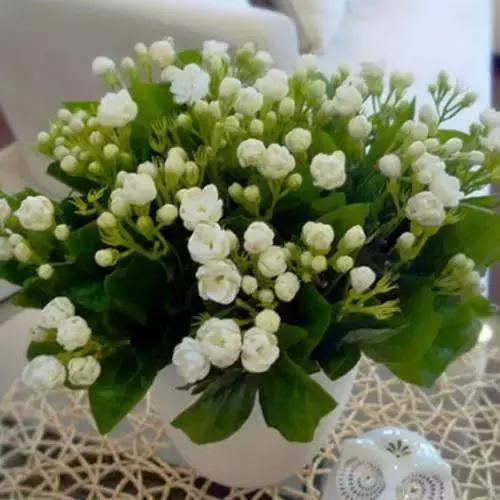
At the hottest time of the year, flower lovers surely devote even more care to their plants. Besides daily tasks like watering, fertilizing and shading, pruning is also one of the must-do chores.
Many flowers, if not pruned in summer, will make you regret it all year long.
--- Jasmine ---
Midsummer is exactly the peak season for jasmine blooming, when its branches and leaves are lush and its fragrance fills the air.
But pruning jasmine in summer is absolutely "a matter of no delay" for the season's blooming.
Leaf removal:Remove old and withered leaves from jasmine promptly.
Branch pruning:Cut off leggy shoots, dead or diseased branches, and non-flowering branches to concentrate nutrients.
Removing spent flowers:When removing spent jasmine flowers, the flower stalk should be removed along with them, to conserve nutrients and encourage the next bloom.
The image below shows: leggy shoots and branches after blooming.
(Original image by: Agoni Fan Ye)
--- Camellia ---
Camellia has two leafing opportunities a year, with fewer leaves produced in summer, so pruning requires attention:
Branch pruning:Keep the important main branches. Diseased and withered branches, leggy shoots, crossing branches and overlapping branches all need to be dealt with; make cuts as smooth as possible and leave a new bud below, so the plant will become fuller later.
If you want to prune camellia into various regular shapes, you must be prepared to prune multiple times. After repeated careful pruning, not only will the tree shape become more beautiful, but the branches and buds will also grow stronger.
Bud removal:After pruning, remove excess new buds; keep just two new buds per bud point.
The image below shows: overlapping branches.
(Original image by: Yi Ge Ren An Jing)
--- Chrysanthemum ---
In summer, chrysanthemums needpinching and toppingto control plant height and encourage branching; otherwise, when the flowering season arrives, it will surely affect the plant's health and appearance.
When pinching, leaving about five leaves at the base is enough.
Pruning is also an essential task for chrysanthemums in summer.
Leaf removal:In summer, remove withered, damaged and diseased leaves at any time.
Promptly remove axillary leaves, which can encourage basal shoots and help cultivate new seedlings.
The image below shows: pinching points and withered leaves.
(Original image by: Xiao Mo)
--- Azalea ---
Pruning azaleas after summer is not advisable, so please seize the tail end of summer to make your azaleas strong.
Azaleas have strong sprouting ability, and leggy shoots easily grow from the base; promptly spot and remove leggy shoots and adventitious buds.
If your azalea is blooming, be sure to remove spent flowers to avoid nutrient consumption.
Post-bloom pruning is very important for azaleas; withered branches, weak branches, leggy shoots and overly dense branches all need pruning. After pruning, the plant's nutrients and ventilation will reach a better state.
If you plan to repot, prune before repotting, which helps recovery after repotting.
The azalea in the image below needs pruning of overlapping and overly dense branches.
(Original image by: Zhu Hong Da Du Juan)
--- Gardenia ---
Summer is the peak season for gardenia, and July is also a good time to prune gardenia. As long as it is pruned well, the plant will be strong and bloom more the following year.
Bud removal:When gardenia produces flower buds, check carefully whether new shoots are appearing nearby. If so, be sure to remove them so they do not affect the nutrients for blooming.
Removing spent flowers:When removing spent gardenia flowers, remove them together with the leaves at the base.
Pruning branches and removing tips:Cut off overlapping branches, overly dense branches, thin and weak branches, and leggy shoots, and shorten new tips that have not yet become woody (about 4 cm).
Doing so not only prevents the plant from growing too tall and encourages new branches, but also increases the amount of blooming the following year.
The image below shows: leggy shoots and spent flowers.
(Original image by: Da Qian Lao Hua Fang Qiao)
--- Rose ---
Roses have not yet reached their best flowering time, so to ensure more and bigger blooms, you must prune now.
Bud removal:You can keep two or three new rose buds; when they reach three to four cm, keep just one flower bud per branch, and for thicker, sturdier ones you may keep more as appropriate.
Branch pruning:For roses that keep summer blooms, pruning is needed after each bloom; this actually means shortening the flowering branch when removing spent flowers, leaving three to five leaves and the fuller axillary bud below the cut.
In addition, diseased and weak branches and overly dense branches all need to be cut off to promote healthy growth of new branches.
After pruning roses, apply medicine to protect the cuts to prevent disease.
The image below shows: bud scales that should have been removed earlier.
(Original image by: Ya Xu)
--- Money Tree ---
Money trees grow very fast in July; without pruning, it is easy to upset the proportions of the potted plant.
Proper pruning not only promotes branching of branches and leaves and expands the crown, but also encourages the roots to strengthen and look more beautiful.
Pinching:Pinching and topping can both control the plant shape and encourage side branches to grow, laying the foundation for future shaping.
Shortening:Branches and leaves that are too long, too strong or too weak, or that affect the plant shape, should all be pruned to achieve a balance in both visual appeal and the plant itself.
The image below shows: the parts that need pinching.
(Original image by: Da Qian Lao Hua Fang Qiao)
--- Verbena ---
Verbena has creeping branches and soft stems, and can grow vigorously in spring, summer and autumn. If not pruned in time, the dense branches and leaves will affect light and ventilation, making it easy for the plant to wither and die or develop disease.
Pinching:Adjust the balance of flowering branches and encourage new branches to grow, preparing for the coming flowering season.
Removing spent flowers:High summer temperatures can easily affect the number of blooms, so removing spent flowers from verbena is also essential; it can extend the flowering period and save nutrients.
Branch pruning:Cut off withered and diseased branches and overly dense or weak branches to achieve ventilation, breathability and light exposure, ensure healthy development, and at the same time effectively control the plant shape.
Leaving branches about ten cm long is enough.
Verbena likes fertilizer; although less fertilizer is needed in summer, replenishment after pruning is still necessary.
The image below shows: spent flowers that should be removed.
(Original image by: Da Qian Lao Hua Fang Qiao)
--- Kalanchoe ---
Kalanchoe's peak flowering season is in winter, it grows vigorously in autumn, and in summer it is time to control the mother plant and stimulate new branches.
Before the Start of Autumn, kalanchoe must be heavily pruned to lay the foundation for a blooming season. It can be done in two prunings.
The first time, mainly prune the main branches, leaving five to ten cm.
When new branches grow, repeat once more; this can make the new branches stronger and prepare for more blooms.
In summer, kalanchoe is in its dormant period, so photosynthesis must be considered; do not prune too much at once, to prevent the plant from dying.
The image below shows how it looks after the first summer pruning.
(Original image by: Huan Lü Se)
--- Rubber Tree ---
Pruning the rubber tree in summer focuses on controlling the plant shape and promoting growth, so that its form is balanced.
You can pay more attention to the state of new leaf sprouting on the rubber tree; pruning at this time is more helpful for the new leaves to grow strong.
Shorten strong branches, retain appropriately, lightly prune weak branches, and remove diseased branches.
After pruning, make sure the cuts are smooth to prevent cracking. At the same time, apply medicine to the cuts and pay attention to waterproofing to prevent disease.
The image below shows strong branches that need shortening.
(Original image by: yummy)
--- Serissa ---
After the flowers fall in June-July, prune the branch tips to encourage new buds to sprout.
July is still within the flowering period, so pinching is needed; more pinching in summer can make the flowering branches lush and extend the flowering period.
If the main branch is too long, or there are basal suckers and overly dense branches, cut them off at any time; depending on the overall shape, the main tip can be cut off from the branching point.
The image below shows the parts that need pinching.
(Original image by: Liu Yue Xue)
--- Aglaia ---
Notes on pruning Aglaia in summer:
Branch pruning:Cut off inner branches and diseased or weak branches, and shorten leggy shoots, so as to tidy the plant shape, regulate ventilation, and concentrate nutrients for vigorous blooming.
Bud thinning:Once flower buds are found forming, thin them promptly.
The image below shows: leggy shoots that need pruning and flower buds that need thinning.
(Original image by: Fei Fan)
Besides the flowers above, there are many other flowers that grow or go dormant in summer and need pruning.
All pruning is done to make ornamental plants look more beautiful.
Different flower varieties have different habits, and growing environments and climates differ, so many methods are not fixed or unchanging. Flower lovers are welcome to exchange and share ideas together.