Toss a beer cap into the flower pot, and yellow leaves and root rot are all gone, with glossy green leaves and plenty of blooms
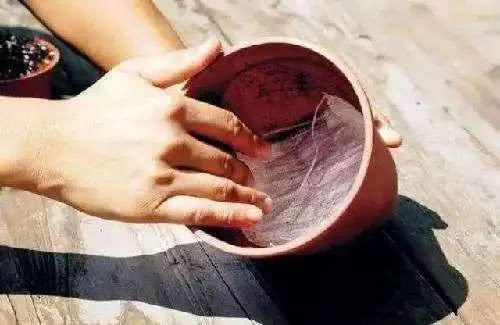
Most people who have kept plants have probably had this experience: if you get watering just a little wrong, the plant gets yellow leaves, drops leaves, or even wilts. This is nutrient loss or waterlogged root rot! To put a stop to these problems, put your household waste to use. Line the bottom of the flower pot with a drainage layer, and you will never have to worry again
1. Window screen mesh
Discarded window screen mesh from home is a great water-filtering material. Cut it up and line the bottom of the pot to keep soil from washing out and prevent waterlogging
2. Scraps of cloth, non-woven fabric
Don't throw away scraps of cloth from home, especially chiffon and gauze types; they can be used to line the bottom of pots. The non-woven bags that clothes and shoes come packaged in are fairly large, so they can line medium and large flower pots
3. Cross-stitch fabric
Cut up leftover cross-stitch fabric scraps and spread them on the bottom of the pot. The dense little holes on top help excess water in the pot drain out while keeping the potting soil in place
4. Beer caps
Place discarded beer caps upside down at the bottom of the pot. They are especially suitable for acid-loving flowers like gardenia and jasmine that need metal elements supplemented. They can even prevent "iron-deficiency anemia" in your plants!
5. Foam board
Break foam board into pieces and put a layer at the bottom of the flower pot. It helps the potting soil stay dry and breathable, and suits all kinds of orchids and plants that fear waterlogging. Many plant lovers say that when they buy flower pots with a layer of foam inside, they think the seller is cheating them, but actually it is there to drain water and let air through
6. Scrap metal
Scrap copper and iron and old electrical wires from home can all line the bottom of pots. They loosen the potting soil and supplement trace elements for the plants, killing two birds with one stone!
7. Peanut and sunflower seed shells
Put peanut shells and sunflower seed shells at the bottom of the pot; they both filter and act as fertilizer. Note: do not use peanut or sunflower seed shells with salty, sweet or other flavors!
Walnut shells
Walnut shells work too, but they should not be too big; smash them into smaller pieces. Also note: do not use walnut shells with flavoring.
8. Loofah sponge
Cut up loofah sponge and put it at the bottom of the pot; it also filters and adds fertilizer, natural and pollution-free, long-lasting and safe.
9. Shells, coral fragments
Small shells and coral fragments you pick up can also be used to line flower pots, and they even contain calcium. Of course, disinfect them before use so you can feel safe.
10. Bamboo charcoal
Bamboo charcoal bags at home are usually replaced after a few months, so never throw them away. They are perfect for lining flower pots, as they not only absorb moisture but also kill bacteria.
Using this kind of trash for gardening not only recycles waste, but the plants also grow very well, with no waterlogging and no root rot, and it can even prevent yellow leaves, so our plants will be much more vigorous.