Growing orchids this way easily damages the roots; a gardener with 30 years of experience reminds you that the leaves will turn yellow and black
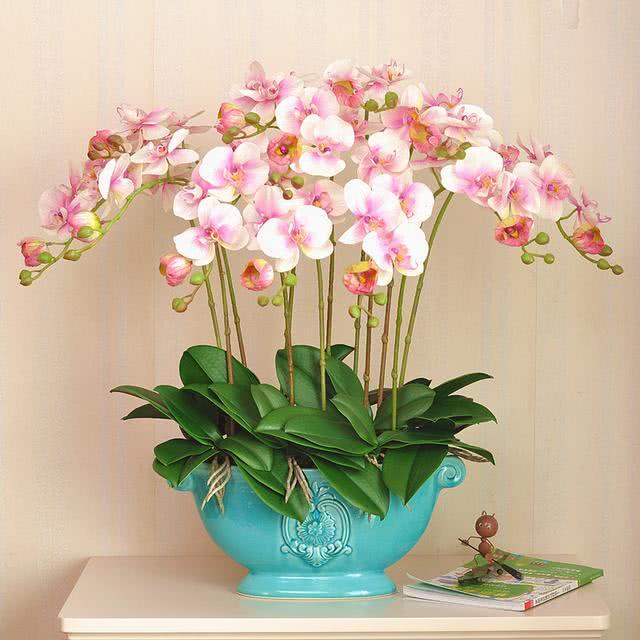
Many flower lovers think that the more fertilizer they give their orchids, the better they will grow. But orchids have very low fertilizer needs, and over-fertilizing easily causes root burn, which makes the leaves turn yellow and black.
Overwatering orchids makes the orchid soil too wet, which easily causes root rot; it shows up first as the whole leaf turning yellow, then turning black, and finally the entire orchid plant dies.
In serious cases, you can take the orchid out of the pot, remove the growing medium, trim the rotten roots and the blackened orchid leaves, then disinfect the roots, place it in a cool, ventilated spot for 1~2 days, and then repot it with fresh soil.
When fertilizing orchids, it is best to give a dilute fertilizer, not a concentrated fertilizer or unrotted fertilizer, and on the second day after fertilizing, give one watering of clear water so the fertilizer can be fully diluted.
Orchid care requires ventilation, which can effectively prevent disease. You can place the orchid in a cool, ventilated spot, and the orchid will grow well; be sure to avoid strong winds, so the orchid does not get damaged by the wind.
The first thing to pay attention to when growing orchids is the growing location; different locations directly affect the growth and development of orchids. Orchids can generally be placed outdoors in spring, summer and autumn, and indoors in winter. Outdoors, it is best to have open space on all sides and moist air. Indoors, there must be plenty of light.
During the orchid's sprouting stage, we need to keep the inside of the pot moist, on the wetter side, in order to let the new shoots grow smoothly and also to let it produce more shoots; but once the new seedlings come out of the pot and open up, we then need to change strategy and gradually begin water control.
Although yellowing orchid leaves are not a fatal disease, they can seriously affect orchid growth, so in everyday care special attention must be paid to adjusting the soil and water quality, which can effectively prevent yellowing orchid leaves from occurring. You can also soak the orchid pot with rusty water, and mix the water into slightly acidic water to water the orchid
In spring and summer, orchids are best shaded with a curtain; the degree of light it receives should be decided according to the orchid variety. In spring and summer, pay attention to shading, and do not let it be exposed to direct blazing sun.