Master English ivy propagation methods and easily turn one pot into many
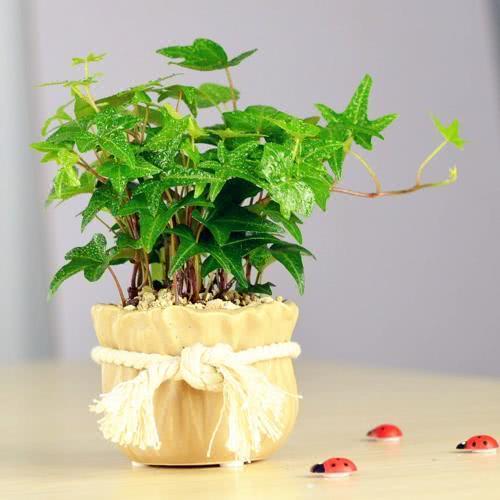
English ivy is a very common foliage plant, and many people keep a pot of it at home. It not only adds greenery and vitality to the home, but also purifies the air, making the home feel fresh and clean - two benefits in one. So many people choose to keep a pot at home, but many do not know how to propagate English ivy at home. So what are the propagation methods for English ivy?
The propagation methods for English ivy can generally be divided into three types: seed propagation, cuttage propagation, and layering propagation. Layering propagation is a relatively simple method, and some people who do not like hassle use it, making it a method used by quite a lot of people.
1. Seed propagation method
When propagating English ivy, the seed propagation method can be used. When using seed propagation, collect the seeds when the fruit is ripe and store them well, that is, pile them together. Then prepare water, soak the ripe fruit in the water and rub it with your hands, clean off the outer skin thoroughly, then place it in a cool, ventilated place to dry. After drying, it can be sown. Scatter the seeds in the prepared pot soil, then sprinkle a layer of soil over the seeds; it does not need to be too thick. Spread a layer of grass on the very top to retain moisture. After tender shoots gradually grow, pay attention to shading, and when spring comes, transplant them.
2. Cuttage propagation
When using the cuttage method to propagate English ivy, do it in the season when English ivy grows most vigorously. Use scissors to cut off its robust young branches, then insert them into prepared soil. After inserting them, it is best to use plastic film to build a small shed, pay attention to shading, and keep the temperature stable, but the pot soil should not be too wet; if it is too wet, it will prevent the part inserted in the soil from rotting. In about a month, they can take root.
3. Layering propagation
Generally, in spring and autumn, the layering method can be used for propagation. Find a long, healthy branch, make a ring cut on the branch, then bury the ring-cut area in the soil. After ring cutting, it is easier to take root, and this is also a relatively simple propagation method.