How to mix soil for roses? Learn the soil mixing method and growing flowers becomes easier
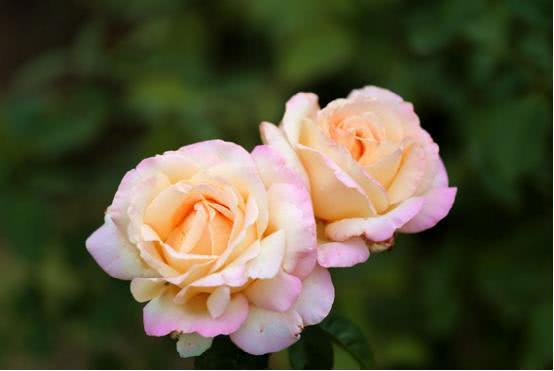
Roses, this common and yet so eye-catching potted plant, come in a vast number of varieties, with brilliant colors and a rich fragrance of their own, making them hard not to love. Just as the saying goes, "Behind every successful man there is an unsung woman," behind every good flower there is an unsung hero. Good flowers need good soil, and behind every brilliant rose there must be the nourishment of good soil.
Roses love sunlight and moisture, but dislike waterlogged conditions, and they are suited to slightly acidic soil rich in organic matter and humus. Some people may wonder: the soil for plants grown in the ground is not necessarily so particular, and yet the plants still grow perfectly well, don't they? That is a different matter. Plants grown in the ground have a deep soil layer, and when the soil is deep, it contains a little of every nutrient, and the plant's roots can also grow deeper, so vigorous roots naturally take up more nutrients and the plant's resistance is correspondingly stronger.
A pot, however, is only so big and holds only so much soil, so it stands to reason that within the most limited space you need to create the best possible conditions for the plant in order to support its growth. The overall requirements of roses for soil are: enough nutrients, neither sticky nor hard, and good ventilation and air permeability. Of course, no single soil or medium can satisfy all these requirements at once, so at this point you need to fully combine various media to achieve the optimal allocation of resources.
Mixing soil for roses means basic soil + coarse granular media + other nutrients. The most common basic soil is garden soil, along with bamboo root soil, humus soil, leaf mold, and so on, which are the most basic components; common coarse granular media include perlite, honeycomb briquette granules, peat, coconut husk, akadama soil, volcanic rock, maifan stone, river sand, ceramsite, and so on; other nutrients include plant ash, organic fertilizer, nutrient solution, poultry manure, and so on.
Now for the simplest method: choose one type each from the soil category and the other nutrient category, then choose two types from the coarse granular media, and you can put together a fairly decent pot of soil. For example, use garden soil + perlite + peat + organic fertilizer. As for the mixing ratio, I suggest that garden soil make up more than half, and if there is more garden soil it can be used at 60%-70%; then split the perlite and peat equally, and finally mix in a little plant ash or organic fertilizer to supplement nutrients.
The basic principle of soil mixing is that the proportion of basic soil should be no less than half; for the other coarse granular media, you may freely choose one or more to mix in, and finally add a little of the other nutrients. If the flower pot is relatively large, you can place a layer of ceramsite at the bottom, which is even better for the ventilation and air permeability of the root system.