Add something to your watering water and it works even better than fertilizer, with glossy green leaves and explosive blooming
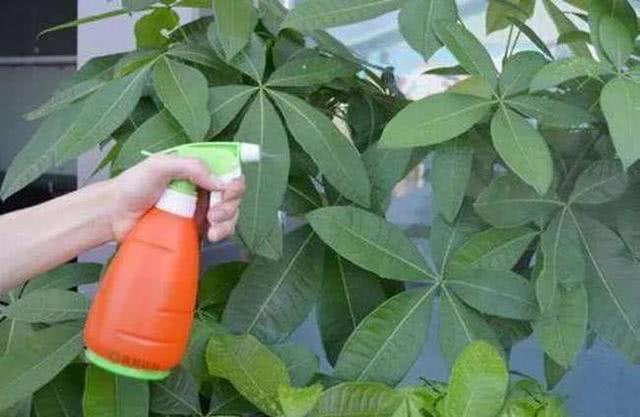
Many people love looking at flowers, but few really grow them well. Growing flowers requires certain skills. For example, we can add something to the water when watering, which can make the flowers grow lush branches and leaves and bloom more.
When we water, never use freshly drawn tap water to water flowers directly. It very easily makes the soil compact and harden. You cannot see it in a short time, but after a long time, you can see the harm.
We can use the following kinds of water to water flowers
1. Fish tank water
If you keep fish at home, the water changed out of the tank is best for watering flowers, because the water contains fish feces and food residue, and contains urea and nitrogen. Of course, the content is relatively small, so it can be used to water flowers at any time. However, if salt or other drugs have been added to the fish tank, it is best not to use it.
2. Rice washing water
This is the all-purpose water for growing flowers. Rice washing water must be fermented before use. If it is not fermented, it easily causes the soil to compact and harden. Put it in a plastic bucket in a warm place to ferment for about ten days, and then it can be used to water flowers. Fermented rice washing water is rich in nitrogen and is suitable for all kinds of foliage plants such as pothos. It can make the leaves green and emerald, and grow fast.
Fermented rice washing water has a bit of an off smell. We can add a few orange peels, which not only makes the water slightly acidic, but also gives the water a fresh fragrance.
Dilute the rice washing water with clean water at a ratio of 1:5 and then use it to water flowers, about once every half a month. Because fermented rice washing water is weakly acidic, it can regulate the pH.
3. Ferrous sulfate
Friends who grow flowers at home inevitably grow some acid-loving flowers, such as gardenia, jasmine, rhododendron and other acid-loving flowers. We need to water appropriately to improve the pH of the soil. We can water once a month with diluted ferrous sulfate water, diluted at a ratio of 1:500. It can supplement the acidic substances for plant growth, and the leaves will not show iron-deficiency yellowing.
4. Aspirin or vitamin B12
Aspirin is rich in salicylic acid, which can promote root growth and development. If lucky bamboo roots slowly, we can add one aspirin or vitamin B12 to the bottle to promote rooting. When we water, we can also grind half a tablet, add it to the amount of water of one bottle of mineral water, and after dilution use it to water flowers. It can make potted plants have strong roots and greener leaves.
Essential balm water
Mix essential balm and water at 1:500, and add 3-5 drops of dish soap. Because adding a little dish soap to the water can let the essential balm dissolve together with the water better.
Then pour the essential balm water into a spray bottle and spray it toward the plants. It has a very good effect on red spider mites, aphids and so on.
The ratio of floral water is 1:50. Stir it evenly, then put it in a spray bottle and spray it toward the leaves and stems. Spray about once every 3-5 days, several times in a row, and it can not only drive away red spider mites, aphids and so on, but the sterilization and disinfection effect it contains can also prevent plant black rot and so on.
When growing flowers, pest problems are inevitable. How should they be eliminated?
Besides picking them off by hand, there is the beer elimination method. Scale insects fear beer the most, even though their shells can block pesticide spraying.
If you find scale insects on the flowers and plants, prepare a bottle of beer and pour in some clean water to dilute it. Spray the diluted beer water over the whole flower plant, and be sure to spray every part of the plant. Check again the next day and you will find that the scale insects have changed color. Gently shake the plant, and the insects stuck on the plant will fall off, which shows they are already dead. If there are still surviving insects, you can continue spraying.
For all ornamental flowers, you can use absorbent cotton or a clean soft cloth dipped in beer to gently wipe the leaves. When wiping, you can use your left hand to hold up the flower leaf and your right hand to wipe gently, going upward from the tail of the leaf (leaf tip), generally front first and then back. After wiping, the flowers are more emerald green and glossy, and the texture of the leaves also appears thicker.