Growth and fruiting habits of the Allen Eureka lemon and key points of high-yield cultivation techniques
Growth and fruiting habits of the Allen Eureka lemon and key points of high-yield cultivation techniques
1 Biological habits
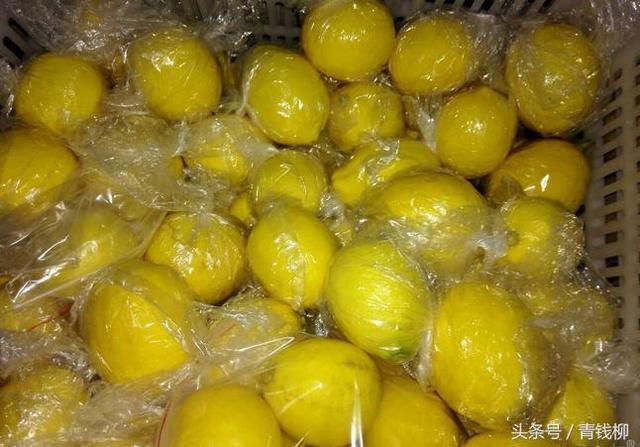
1.1 Morphological characteristics The Allen Eureka lemon belongs to the genus Citrus in the family Rutaceae. The tree is vigorous, with an irregular round-headed canopy shape; both the sprouting rate and the branching rate are relatively strong, and vigorous shoots often form on the outer part of the canopy, with numerous and long thorns; newly emerged shoots, young leaves and flower buds are all purple, and as they grow and mature the branches and leaves turn green and the petals turn white; it flowers and fruits 3 times a year, with the spring and summer crops of fruit being the main ones, while the autumn crop of fruit is often thinned out because of winter fruit drop and hindered growth. The fruit is oblong-elliptical, with both the stalk end and the apex protruding, and turns lemon-yellow when ripe, with a pleasant fragrance.
1.2 Phenological period In Zigui County, the Allen Eureka lemon begins to sprout in early to mid-March and sends out spring shoots in early April. The early flowering stage of the spring flowers is in late April, and the full flowering stage is in early May; because the early summer shoots and summer shoots emerge one after the other, the summer flowers are irregular, mostly concentrated in mid-June; the autumn flowers are mainly in early to mid-September. The spring crop of fruit ripens in mid-to-late November, and the summer crop of fruit ripens in late December.
1.3 Agronomic and yield traits In experimental cultivation of the Allen Eureka lemon on trifoliate orange rootstock, it bore fruit in 3 years of trials, and in the 4th year the yield reached 750 kg per 667 sq m; with top-grafting to change varieties, the canopy was restored in 2 years, and in the 3rd year the yield reached 1200 kg per 667 sq m; after stabilizing in the full-bearing period, the yield was more than 2000 kg per 667 sq m.
1.4 Quality traits The Allen Eureka lemon has thick and relatively hard peel, golden yellow in color, and stores well. The average single fruit weight reaches 118 g, the fruit shape index is 1.41, the peel thickness reaches 0.54 mm, the titratable acid content per 100 mL of juice is 5.99 g, the soluble solids content is 8.5%, and the juice rate (juice/single fruit weight) reaches 27.1%.
1.5 Resistance traits The Allen Eureka lemon has relatively poor disease resistance and cold tolerance, and in the Three Gorges Reservoir area it is best planted in areas below 350 m altitude with no frost or a very short frost period. It has no special requirements for soil, fertilizer or water, but meeting fertilizer and water needs and increasing the application of organic fertilizer and other organic matter can improve the tree's disease resistance and cold tolerance.
2 Key points of high-yield cultivation techniques
2.1 Planting virus-free vigorous seedlings is the prerequisite for high yield Because the Allen Eureka lemon has relatively poor disease resistance, choosing virus-free container seedlings is particularly important, and the seedlings are also required to have a well-developed root system, thick and strong branches, plump buds, and a good interface between rootstock and scion.
2.2 Raising soil organic matter is the foundation of high yield The Three Gorges Reservoir area generally has problems of poor soil, poor permeability and insufficient fertility. To ensure high and stable yields of the Allen Eureka lemon, organic matter improvement measures such as increasing the application of organic fertilizer in winter, growing grass between orchard rows, and cutting grass and mulching the tree disk are needed.
2.3 A reasonable tree structure is the key to high yield During the introduction trial, trees that grew excessively vigorously had very low yields, mainly showing that they were almost all water sprouts; whereas moderately vigorous trees with spreading canopy shapes had many fruiting branch groups, more fruit set on terminal buds, and more fruit set in the middle and lower parts of the canopy. Regarding trunk height, fruiting trees with a slightly higher trunk height had good fruit appearance quality, and the fruit surface smoothness and insect spots on the fruit surface were noticeably lower than those of trees with a slightly lower trunk height, mainly avoiding splashing of muddy water from rainy days onto the middle and lower fruit and reducing the frequency of pest and disease damage.
2.4 Pest and disease prevention and control is the guarantee of high yield and high quality The Allen Eureka lemon is susceptible to damage by red spider mites and yellow spider mites, and in severe cases the leaves lose green color or the whole tree defoliates, causing tree decline and reduced yield. For this reason, great attention must be paid to winter orchard cleaning and disinfection and biological control, and predatory mites should be released additionally at key phenological periods.
3 Discussion
Observations from the introduction trial show that the ripening period of the Allen Eureka lemon is 1 month later than that of the Eureka lemon in Guangdong and about 15 days later than that in Sichuan. During cultivation, bagging measures can be tried to promote earlier harvesting [2]. Lemon has medical effects such as clearing heat, sterilizing, stimulating the appetite, resolving phlegm and relieving cough, and also has beauty effects such as moisturizing the skin, nourishing the complexion and eliminating odors [3]. It has high market recognition and broad market prospects, and has relatively good adaptability in Zigui County. In the future, the Allen Eureka lemon will certainly be developed on a moderately large scale in Zigui County as a characteristic variety.