Wild vegetables can treat colds and indigestion, and can also boost immunity and treat acute mastitis
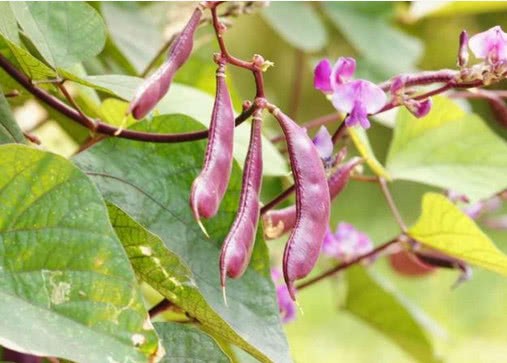
Black-eyed pea, namely hyacinth bean, is the seed of the common bean plant of the Fabaceae family. It is spherical or flat-round, slightly larger than soybean, and some are shaped like cashews. It is also known as rice cowpea, rice bean, meal bean, sweet bean, white bean, etc. It belongs to dried beans and their products, an annual twining herb, distributed in Hebei, Jiangsu, Sichuan, Yunnan and other provinces in China, and Vietnam also has products. Black-eyed pea is what Cantonese people habitually call it. Li Shizhen said, "This bean can be a vegetable, a fruit, or a grain; it is best for storage and use, and is a top-grade bean." Black-eyed pea is quite rich in nutrients, including protein, fat, carbohydrates, calcium, phosphorus, iron and dietary fiber, provitamin A, vitamin B1, vitamin B2, vitamin C and cyanogenic glycosides, tyrosinase, etc. The B-vitamin content of the black-eyed pea skin is especially rich. Black-eyed pea can supplement the body's nutrients and improve immunity. It can also strengthen the spleen and remove dampness, and is used for symptoms such as spleen deficiency with dampness, fatigue and lack of strength, poor appetite and loose stools, or edema. At the same time, it is suitable for people with summer colds complicated by dampness, acute gastroenteritis, indigestion, summer-heat headache and dizziness, nausea, irritability, thirst with desire to drink, heart and abdominal pain, and poor appetite; it is especially suitable for cancer patients.
Efficacy and effects: clearing heat and detoxifying; reducing abscesses and dispersing nodules. Mainly for breast abscess; lung abscess; intestinal abscess; mumps; furunculosis and toxic sores and swelling; red and swollen eyes with pain; cold with fever; cough; sore and swollen throat; stomach fire; enteritis; dysentery; hepatitis; cholecystitis; urinary tract infection; snake and insect bites. Used for furuncles and toxic swellings, breast abscess, scrofula, red eyes, sore throat, lung abscess, intestinal abscess, damp-heat jaundice, and painful strangury with heat. Main indications: acute mastitis, parotitis, lymphadenitis, scrofula, toxic sores and swellings, acute conjunctivitis, pharyngitis, cold and fever, acute tonsillitis, rheumatic arthritis, acute bronchitis, gastritis, hepatitis, pneumonia, cholecystitis, acute and chronic appendicitis, urinary system infection, osteomyelitis, vaginitis, pelvic inflammatory disease, duodenal ulcer, acne, pimples, lithiasis, as well as dozens of conditions including various cancers. Its proven remedies are widely circulated among the people, and many medical books and newspapers and magazines have also published them.
It has the effects of releasing the exterior, relieving cough, dispelling wind and removing dampness, and regulating qi to relieve pain. Used for colds, chronic bronchitis, wind-damp arthralgia, stomach pain, sha qi, and abdominal pain. Have you eaten these wild vegetables? Are there any in your hometown?