Rose leaves turn yellow and are covered in spots, looking ugly beyond words. What should I do?
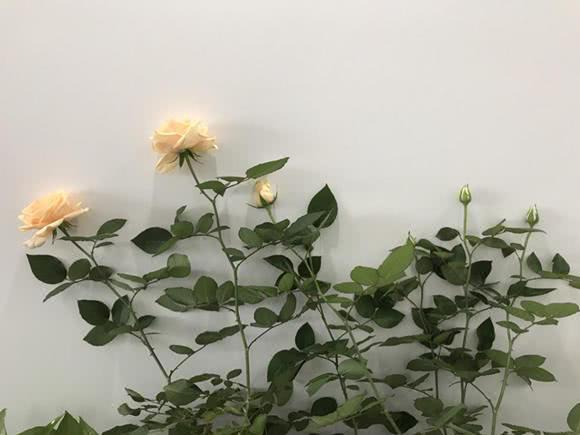
Green rose leaves have inexplicably developed black, brown and pale yellow spots, yet many gardeners mistakenly think the rose is lacking nutrients and hurry to fertilize it. In fact, that is not the case. When a rose has yellow leaves "all covered in spots" and looks ugly beyond words, it is mostly caused by black spot disease. So what should be done?
Rose black spot disease mainly damages the leaves. At first the leaves are no longer glossy green and turn pale green or pale yellow; gradually black spots of varying sizes appear on the leaves, then the spots expand and become yellowish brown or dark purple, and finally turn grayish brown. In severe cases it can cause new shoot tips to die, and all the lower leaves of the whole rose plant drop off, leaving it a "bare commander".
If your rose is sick, do not panic or get flustered. First determine the cause of the disease according to the symptoms, then treat it accordingly. When black spot disease occurs, first thoroughly prune off and burn the affected parts in a centralized way to reduce the source of infection. At the early stage of the disease, spray 50% carbendazim wettable powder at 1000 times dilution, twice a week. Next, prune the leaves that already have black spots, and make sure the potted rose has good ventilation and light, which can reduce the spread of the pathogen.
If large areas of black spots appear and carbendazim has been ineffective many times, use 65% zineb wettable powder at 500-700 times dilution for spraying. The number of sprays depends on the disease situation; start with the first spray, then spray once every 7-10 days, spraying 2-3 times in quick succession. In the subsequent care, spray clear water on the leaves as little as possible, keeping the leaves relatively dry.
Half a month after targeted treatment, the rose leaves grow back, and at this point you can appropriately supplement nutrients for its root system. You can choose a rose-type liquid fertilizer with balanced nitrogen, phosphorus and potassium nutrients, no odor and fermented from raw plants, which is especially favored by gardeners who pursue healthy flower growing and also love convenience and cleanliness. Each time, add water at a ratio of 1:1000 ml, dilute it and pour it into the soil. It contains plant chelated forms that can replenish the rose's [nutrients lost] due to the disease
Prevention is better than medication. When growing flowers, especially roses, do not be lazy. Regularly thin out branches and prune leaves, keep strong branches, give the rose branches and leaves good ventilation and light, ensure sufficient sunlight, and apply light fertilizer frequently. Only in this way can you reduce pests and diseases, and get more flowers and better growth.