10 Flowers Best Suited for Cuttings in Summer
Intro
"Green trees cast deep shade on long summer days, pavilions and towers reflected in the pond." Summer has high temperatures and high humidity, so anything you plant will grow, and it is also a great season for cuttings to take root. The following 10 flowers are very well suited to summer cuttings. Let's take a look!~
Pothos
Flower-Growing Auntie
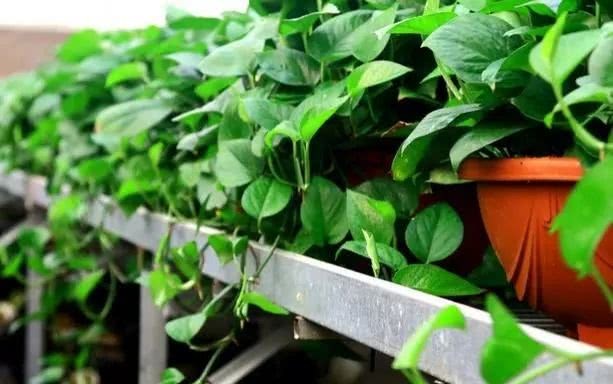
1. Take a cut pothos stem, remove all the lower leaves, dip the lower end of the stem into rooting water for 1-2 minutes, then let it dry, and then insert it into the soil.
2. Water thoroughly once, and place it in a cool, ventilated spot for care. Normally spray water toward the leaves and around the pot often, and it will take root in about 15-20 days. After that, just keep it in a spot with plenty of bright, indirect light. Note:Pothos is a shade-loving green plant. During normal care, you can often spray a little water on the leaves, but do not blow air from an air conditioner directly on it.
Spider Plant
Flower-Growing Auntie
1. Cut a stolon from a well-growing spider plant, and remove the small plantlets from the cut stolon.
2. Water the cutting soil thoroughly first, insert the removed small spider plantlets into the soil as cuttings, then place them in a cool spot for care. Once they survive and grow larger, transplant them promptly.
Azalea
Flower-Growing Auntie
1. Willow liquid: crush willow branches and leaves, soak them in water, and after one day remove the branches and leaves, and it is ready. This is a secret weapon. Soaking azalea branches in it can sterilize and promote root growth.
2. Cut off the bark on one side of the lower end of the branch, with a little wood attached, but not too deep, about 4 cm long. Insert it into foam like this, exposing the cut part.
Soak it in willow liquid for 24 hours, then place the azalea branch into a seedling tray for normal cutting. Treat branches this way before cutting, and you are guaranteed success every time.
3. It will take root in about 10-15 days. After rooting, pot it up with the soil, and directly move it into a flowerpot for care.
Hydrangea
Flower-Growing Auntie
1. Cut a healthy hydrangea branch that has already bloomed, remove the lower leaves, and leave a cutting about 8-10 cm long.
2. Apply a little rooting powder to the bottom of the branch, then place it in a cool, ventilated spot to dry.
3. Insert the hydrangea branch into the soil, then water thoroughly once, and place it in a cool, ventilated spot for care. It will take root in about 1 month.
Orange Jasmine (Aglaia odorata)
Flower-Growing Auntie
1. One method is cutting from old branches from the previous year, which can be done between April and May; the other is cutting from tender branches of the current year, which can be done between June and July.
For choosing cuttings, whether using old branches from the previous year or tender branches of the current year, you should choose healthy, plump branches with good growth vigor as cuttings.
2. Tender branch cutting propagation is generally done by collecting branches and cutting between June and July each year. Select healthy branches of the current year's growth, cut them to about 10 cm long, remove the lower leaves, and keep 2-3 small leaves at the top. Before inserting, it is best to soak them for a while in vitamin B12 injection to promote rooting.
3. Use a flowerpot as the cutting bed, use vermiculite or river sand as the cutting medium, insert to a depth of 4-5 cm, press firm after inserting and water thoroughly, and cover with plastic film. Keep it hot and humid, at a temperature of 28-30°C, then spray water 2-3 times daily to keep the soil layer moist. It will take root in 40-50 days.
Osmanthus
Flower-Growing Auntie
1. The best time for osmanthus cuttings is May-July. Choose woody branches of the current year, soak them in carbendazim solution for about half an hour, then take them out and place them in a cool, ventilated spot to dry.
2. The cutting soil should retain water and fertilizer and be breathable. After watering thoroughly once, insert the osmanthus branch into the soil. In about one month, the osmanthus branch will be able to take root.
Jasmine
Flower-Growing Auntie
1. You can choose jasmine branches that have finished blooming, or directly choose healthy branches for cuttings, keeping about 2 leaves on each branch. Soak the cutting branches in carbendazim solution for a few minutes, then place them in a cool, ventilated spot to let the wounds dry.
2. Insert the dried branches directly into the soil, and be careful to keep them moist. In about one month, the jasmine cuttings will be able to take root. After rooting, directly transplant the jasmine into a flowerpot for normal care.
Gardenia
Flower-Growing Auntie
1. Cut healthy gardenia branches, remove the leaves at the bottom of the branches, and place them in a cool, ventilated spot to let the wounds dry before cutting.
2. Use sandy soil after watering it thoroughly for cutting. You can cover with a bag to keep it moist. When you notice the sand has become dry, water it. It will take root in about 1 month.Note: Although gardenia likes light, avoid direct sun, and do not let it lack water.
Rubber Plant
Flower-Growing Auntie
1. The minimum temperature for rubber plant cuttings to take root is 15°C. You can choose healthy branches from the mother plant, blanch the bottom in boiling water, then soak them in carbendazim solution for about half an hour, and then place them in a cool, ventilated spot to dry.
2. Insert the trimmed rubber plant branch into the soil, water thoroughly once, and it will take root in at most about one month.
Moss Rose (Portulaca grandiflora)
Flower-Growing Auntie
1. Moss rose is known as impossible to kill. Just pinch off a bit of stem and toss it down, and it can grow into a big pot.
2. Moss rose can also self-seed and self-sow. The seeds fall to the ground and take root, and it very easily fills a pot.
Source: Flower-Growing Auntie. Copyright belongs to the original author.
If there are any copyright issues, please contact us.