Why do potted roses need pruning? Pruning should follow these principles
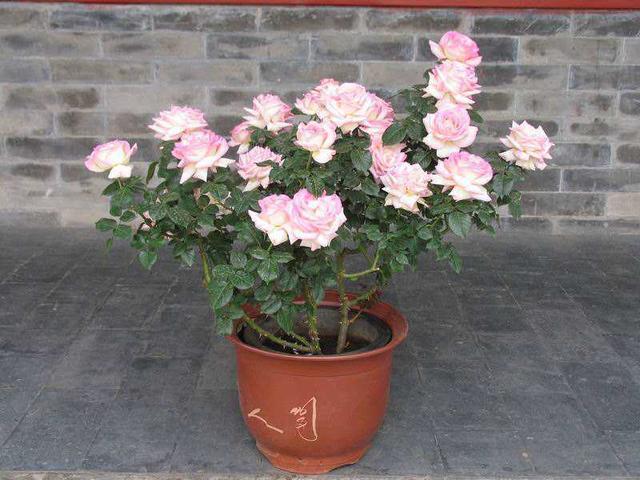
Many potted plants need pruning during cultivation, and roses are no exception. The main purpose of pruning roses is to promote the sprouting of side buds, make the plant's branches lush, and the ultimate goal is to produce more flowers. So what principles should be followed when pruning roses? Here is an introduction for everyone.
Principles of rose pruning
Leggy branches should be cut. Insufficient light and excessive nitrogen fertilizer can both cause rose branches to grow leggy. The leaves of such branches affect the overall appearance of the plant, so they should be cut off. You can cut off the entire branch, or cut it at 1cm above a leaf bud.
Crossing branches should be cut off. Because branches grow in all directions, branches sometimes cross each other. Such branches compete with each other for sunlight and growing space, and they also do not look very attractive. One of them should be cut off. The general principle is to keep the strong and cut the weak.
Diseased branches and dead branches should be cut off in time. These branches not only waste nutrients and affect the overall appearance of the plant, but also provide living space for pathogens and fungi, making disease easy to trigger.
If plants with weak growth or young plants are to be pruned, more leaves should be retained, so as to avoid becoming weaker the more they are pruned.
Suitable timing for pruning
After new buds sprout in spring, pay attention to the direction of the new buds, and remove buds that will cross with other branches; prune once before flowering, cutting off weak branches and keeping strong branches. When pruning, cut more of the higher branches and less of the lower branches; after the flowers fade, cut off the flowers in time. At this time, the flowering branches still retain more nutrients. Cutting off the flowers can promote the fastest growth of new buds and help produce more flowers later; after autumn and before winter dormancy, cut off diseased branches, dead branches, and flowering branches.