These several wild vegetables prevent and treat cancer, fight bacteria and reduce inflammation, and can also relieve menstrual cramps
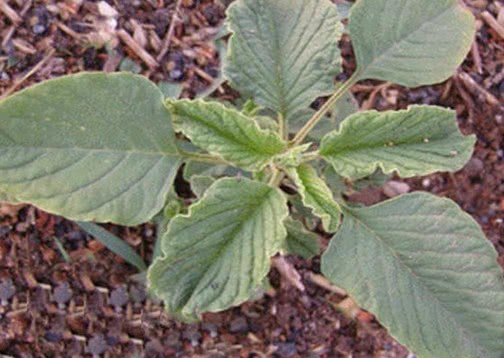
Spiny amaranth, a name used for Chinese medicinal herbs. This product is the whole plant or root of the amaranth family plant spiny amaranth (Amaranthus spinosus). Harvesting and storage: it can be harvested in all three seasons of spring, summer and autumn, washed clean, used fresh or dried in the sun. Its functions and indications are: cooling the blood and stopping bleeding; clearing heat and draining dampness; detoxifying and reducing abscesses. It mainly treats stomach bleeding; blood in the stool; hemorrhoidal bleeding; cholecystitis; gallstones; dysentery; damp-heat diarrhea; vaginal discharge; painful urinary strangury; sore throat; eczema; abscesses; eroded gums; snake bites. Precautions: "Guangxi Traditional Chinese Medicine Records": for chronic deficiency-type dysentery and pregnant women, it is contraindicated. "Fujian Materia Medica Records": according to folk experience, this product is mildly toxic, and excessive doses cause side effects such as dizziness, nausea and vomiting. It is forbidden during menstruation and pregnancy.
Pea flowers are white or light purple, and the seeds, tender pods and tender shoots are all edible. During the growing period, tender tips grow out; the tender shoots are the seedlings of peas that have sprouted 2 to 4 cotyledons, fresh and tender with a delicate fragrance, most suitable for making soup. In the southern provinces, the tender tips are used in soups and stir-fries, and are one of the main fresh vegetables. For example, Shanghai calls them "pea shoots", Guangzhou calls them "dragon-whisker vegetable", and Sichuan calls them "pea tips". At a certain stage, tender pods grow, 5 to 7 cm long, with 4 to 7 seeds per pod, white-green, round, and edible. Pea pods contain relatively rich cellulose, have a colon-clearing effect, and can prevent and treat constipation. The seeds of the pea flower are peas, which contain starch and oils, and medicinally have strengthening, diuretic and anti-diarrheal effects; the stems and leaves can cool and relieve summer heat; they are also used as green manure and feed. Unlike ordinary vegetables, the substances they contain, such as abscisic acid, gibberellin and phytohemagglutinin, have the functions of fighting bacteria and reducing inflammation and enhancing metabolism. They can also enhance the body's immune function, prevent and treat cancer, and promote bowel movements.
Guanyin vegetable can also be called red-backed vegetable or stone chives. It belongs to a type of plant in the Asteraceae family, and prefers to grow in moist, shady places. Guanyin vegetable looks like orchid leaves, emerald green and pollution-free. On first entering the mouth, it tastes of chives, and then on chewing it successively gives flavors of garlic, scallion, slight bitterness and sweetness, and has the effect of clearing dampness and dispelling stasis. It belongs to a plant used both as medicine and food, and can be used as medicine as well as being a very good nutritional health product. Regular consumption of Guanyin vegetable has effects such as treating coughing blood, uterine bleeding, menstrual cramps, blood and qi deficiency, bronchitis, heatstroke, amoebic dysentery, and stopping bleeding in external wounds. It is rich in nutritional elements. According to measurements: every 100 grams of dry matter of Guanyin vegetable contains 1.4-4 grams of calcium, 0.17-0.39 grams of phosphorus, 2.83-4.63 grams of potassium, 1.34-2.52 milligrams of copper, 26-75 milligrams of zinc, and its iron and manganese content is even more outstanding, containing 129-209 milligrams of iron and 47-148 milligrams of manganese. In particular, it contains the medicinal component flavonoid glycosides, which can prolong the effect of vitamin C and reduce vascular purpura. Guanyin vegetable has the ability to improve resistance to parasites and viruses, and has a moderate counter-effect on malignant growing cells. There are various ways to eat it. Guanyin vegetable can be eaten in many ways: the tender tips and young leaves can be stir-fried plain with mushrooms, stir-fried with meat, or pickled in sugar and vinegar, or blanched and served cold, or made into an assorted platter or hotpot ingredient, or stir-fried plain with seasonings such as minced ginger and minced garlic, and can also be used as a filling or in soup. The leaves are smooth and the stems are crisp, with a uniquely distinctive flavor.