The sundew plant is dainty and charming, with pretty flowers, making it suitable for growing in pots at home.
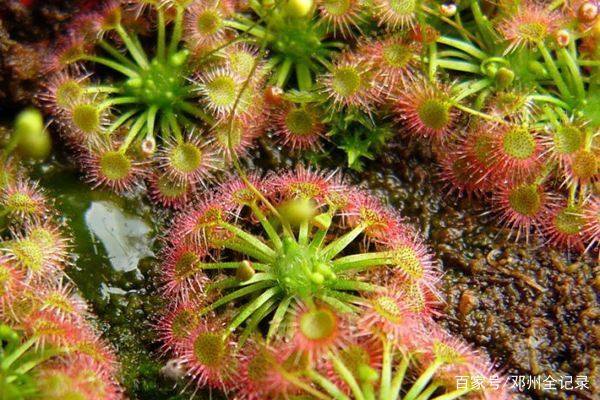
Some varieties of sundew have dainty and charming plant forms and pretty, lovely flowers, so some people also grow them as potted plants at home. Today we will introduce the pests and diseases of sundew and their control methods.
Pests of sundew and their control
The main pest of sundew is aphids. In spring and summer, sundew may be gnawed on by aphids, but if local pests such as caterpillars have no other food to eat, they will also gnaw on sundew. If we find signs that sundew has been gnawed on, we must immediately carry out pest control. We can use some insecticides to kill the pests, but note that it is only necessary to spray a thin layer of the solution on the leaves of the sundew. Too much insecticide will cause the glandular hairs on the sundew leaves to die, and may even cause the death of the sundew. Therefore, when growing sundew, if pests are encountered, it is best to kill them by hand.
Diseases of sundew and their control
Diseases of sundew are generally caused by fungal infection, and this type of fungal infection disease is more likely to occur in summer. When the environment where sundew is grown is relatively stuffy and hot, with poor ventilation and relatively high air humidity, fungal infection of sundew will occur. After fungal infection, the growth vigor of sundew weakens, and it may even lead to death. If sundew shows signs of fungal infection, immediately remove the parts infected by the fungus, then provide ventilation to prevent the fungus from spreading. If the situation is relatively serious, a fungicide should also be sprayed to kill the fungus. On the other hand, spraying a fungicide during the seasons when fungal infections occur frequently can have a certain preventive effect.