A fruit tree covered in thorns is often mistaken for an orange tree, but farmers use it to guard against thieves, and every part of it is treasure.
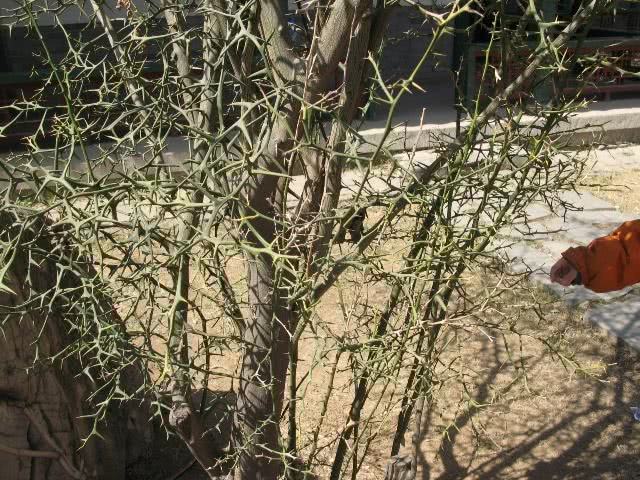
The main purpose of planting fruit trees is to eat the fruit, but in rural areas there is a common fruit tree that people plant not for its fruit, but to use it to guard against thieves. This fruit tree is covered in thorns, and the longer it grows, the sharper its thorns become, so much so that animals dare not go near it. Farmers often plant it around courtyard walls, and its thief-deterring effect is even better than broken glass embedded in the wall. This tree does bear fruit, but its fruit is not tasty, more sour than a lemon, and very bitter and astringent, yet its uses are far from small.
This tree is called "trifoliate orange" (Poncirus trifoliata). Its fruit closely resembles an unripe green orange, so it is often mistaken for an orange, but the taste of the two is worlds apart. The fruit of the trifoliate orange also does not grow large; I remember as a child often picking it to play with as a marble. The fruit of the trifoliate orange also turns yellow when ripe. Once I saw a golden fruit that looked very beautiful, picked it and took a bite, and it was so sour it made me grimace, and I never dared eat it again.
Because of this sour and bitter taste, many people also call it stinky orange or chendan, but it is actually a good medicine.
The stinky orange is actually not stinky; on the contrary, it contains a lot of aromatic essential oils, and this fragrance has the effect of regulating qi and soothing the middle. It can not only be used to extract essential oil, but can also be used as medicine to treat stomach pain and bloating, indigestion, excessive phlegm and cough, and other conditions, making it one of the common medicinal materials in traditional Chinese medicine. In addition, the bark, roots, thorns, leaves, and seeds of the trifoliate orange tree can all be used as medicine, so it can truly be said that every part is treasure. It is just a pity that not many people know this, and most farmer friends only plant it as a thief-deterring tree, without paying attention to its value.
However, some growers who know grafting techniques regard the trifoliate orange tree as a high-quality "citrus rootstock." Grafting an orange tree onto the roots of a trifoliate orange tree can increase the orange tree's ability to resist cold and freezing and to resist pests and diseases. Because the trifoliate orange tree is vigorous, can adapt to various soils, and the plant is not tall, these all become advantages when grafting. Orange trees that have been grafted can both produce delicious oranges and improve the quality of the fruit tree, and this can also be considered an important use of the trifoliate orange tree.
The trifoliate orange tree is extremely easy to keep alive and is all too common in rural areas; its traces can also be seen in the wild on fields and hillsides. Reader friends, have you ever seen a trifoliate orange?