12 tips for growing a vegetable garden on a courtyard terrace - you can even grow vegetables and flowers together
When cultivating a flower garden or vegetable garden, we usually grow flowers and vegetables separately. In fact, as long as they are paired properly, they can also promote each other's growth. Below are 12 excellent planting tips - see if any of them suit you.
Tip one: Fight pests with natural methods
Growing vegetables does not necessarily mean you have to use chemicals to control pests and diseases. You can plant some marigolds next to the vegetables. This not only gives you charming flowers to admire, but also keeps pests away from the vegetables, such as the common tomato and cabbage.
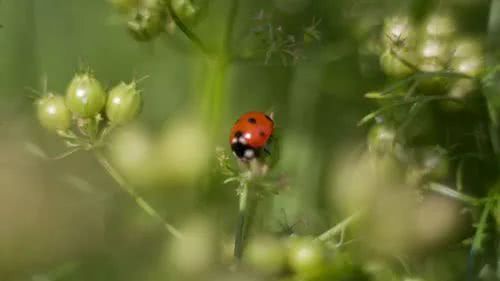
Of course, you can also buy ladybug larvae directly at a garden store, or praying mantises and other insects that prey on pests. They can all eat pests, and this organic method of pest and disease control is excellent.
You can even set up some birdhouses to attract birds to nest, which can also help you control pests in the garden.
Tip two: Control weeds with dry leaves or other mulch
If you do not want too many weeds growing beside your plants, you can prepare some mulch and spread it directly on the soil surface. This can control weed growth. This method is very effective when used before weeds emerge. You can use some dry leaves and spread them directly on the soil surface, which also helps retain moisture.
Tip three: Grow cherry tomatoes in pots
If you do not have a yard to grow vegetables, you can choose pot cultivation. You can choose some varieties suitable for pots or hanging baskets. For example, the common cherry tomato can be grown in a hanging basket. It can trail down the sides of the basket. As long as you make sure it gets enough water and fertilizer, it will also keep producing fruit.
Tip four: The key to growing bigger pumpkins
If you are growing pumpkins and want bigger pumpkins, it is best to limit the number of fruits. You can pick off the excess pumpkins so that the nutrients are more concentrated. Finally, add appropriate fertilizer and water to ensure the pumpkins grow very large.
Tip five: Cucumbers on fences and wire mesh
You can prepare some grid-like wire mesh or fencing to grow climbing vegetables. If you plant cucumbers next to wire mesh and give them more places to climb, they will produce more fruit. If planted on the ground, they will produce very little fruit.
Tip six: A little sowing secret
When sowing, if you want to promote faster seed germination, you can add some aspirin effervescent tablets to water. Grind the aspirin into powder and add it to water. This helps the seeds absorb water and promotes faster sprouting.
Tip seven: The benefits of bone meal and fish fertilizer
During the vegetable growing season, you can add bone meal and fish fertilizer to the soil and bury them directly. This can effectively promote vigorous flowering and growth of vegetables or flowers. These fertilizers contain relatively high amounts of phosphorus and potassium, and their effect on promoting flowering and fruiting is excellent.
Tip eight: The key to tomatoes and peppers flowering and fruiting
These vegetables grown for their fruit only thrive with sufficient direct sunlight. They need more than 6-8 hours of direct light each day. Avoid growing them in shady conditions, otherwise fruiting will be affected.
Tip nine: Pinch off the tops regularly
Many herb plants need regular pinching off of the tops to promote continuous branching and more vigorous growth. For example, the common basil can be pinched regularly. After it grows taller, cut off 1/3, which can promote more leaf growth. Their flowering helps them grow more vigorously.
Tip ten: Use beer to stop slugs and snails
Place a small cup of beer next to flowers or vegetables. It is best to set it out at sunset, so that at night it will attract slugs and snails. They will drown in the beer, and the next day you can clean them out. Snails and slugs generally appear at night, and a relatively smooth container is best for holding the beer.
Tip eleven: Use fruit peels and vegetable leaves to boost nutrients
Do not throw away vegetable scraps and fruit peels directly. You can chop and grind them, then mix them into the soil as nitrogen fertilizer, or put them directly into a sealed container, add water, and place it in a warm place. In four to five weeks it will become a nutrient solution fertilizer. Dilute it with water and pour it directly onto the soil.
Tip twelve: The benefits of bananas
Do not throw away the banana peels left over from eating bananas. You can dry them and grind them into powder to make excellent fertilizer. Banana peels contain very rich potassium. The resulting powder can be mixed directly into the soil, or diluted with water and poured beside vegetables. This can effectively promote flowering and fruiting.