Growing Asparagus Fern from a Single Seed into a Large Plant
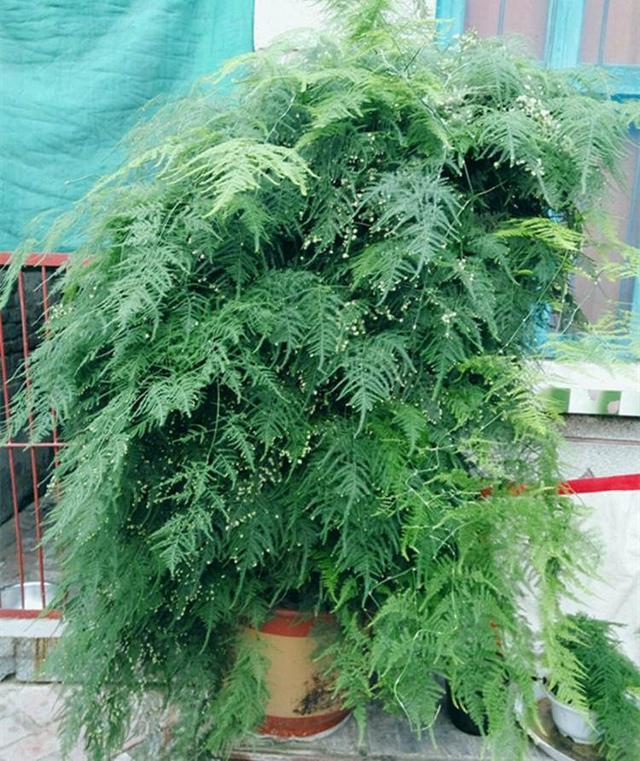
Asparagus fern (Asparagus setaceus) is a rather elegant foliage plant. Grown in a pot and placed indoors, it can add a great deal of color to a home environment. However, when it comes to caring for asparagus fern, if gardening friends want to challenge themselves, they can start propagating from seed. Growing a single asparagus fern seed into a large plant brings a sense of pride like no other.
First, asparagus fern seeds mature in winter or early spring. After harvesting, rub and wash off the fruit skin and flesh, and they can be sown directly. They can also be washed, dried, and stored for later use. For large-scale sowing, beds can be made in a greenhouse or plastic tunnel; for small quantities, sow in a shallow pot or wooden box filled with humus soil. After sowing, cover the seeds with about 0.5 cm of fine sand, then water thoroughly with a watering can, cover with glass, and place in sunlight, keeping the soil moist. Never let it get too wet, and do not sow in airtight plastic pots.
Asparagus fern seeds germinate slowly. If the temperature is too low, they need 2 months to sprout; generally, seedlings emerge in about 40 days. The seedlings can be transplanted in autumn or the following spring. The transplanting environment should be shaded and well ventilated, and the soil should be kept moderately dry and moist. Otherwise the leaves will turn yellow, or the plant may even die. In addition, once asparagus fern sowing succeeds, you need to master the following management techniques.
1. Summer management
The key to summer care and management of asparagus fern is watering. During the growing period, water evenly and always keep the potting soil moderately moist. It must not be too wet, and even less should it dry out, as either will cause yellow leaves. Asparagus fern fairly likes fertilizer; during the growing period, apply a thin fertilizer 1-2 times a month. After flowering, stop fertilizing, control water appropriately, and do not let rain fall on it.
Asparagus fern grows best under semi-shade conditions, so in summer it should be kept in a place without direct sunlight. In summer, scale insects and aphids are prone to cause damage, and they can be killed by spraying with a 1000-fold dilution of 40% omethoate emulsifiable concentrate.
2. Autumn management
In this season, light can be given appropriately to make the asparagus fern leaves a deep green. Old plants that have been grown for many years mostly have dense branches and leaves, a tall and messy plant shape, and dull, yellowish leaves. To control plant height and promote lush growth, during the growing period you can cut off all the branches and foliage from the rhizome to encourage new branches and leaves to sprout again from the root zone; the new branches obtained this way will grow vigorously. Continue fertilizing, and also provide appropriate shade. To prevent gray mold and leaf blight from harming the leaves, spray with a 1000-fold dilution of 50% thiophanate-methyl wettable powder.
3. Winter management
After winter begins, reduce watering, stop fertilizing, and keep the temperature above 5°C. If the temperature is below 3°C, the entire plant will die from cold damage. Be careful not to let the potting soil dry out or become waterlogged, as both will cause the leaves to turn yellow. In severe cases, root rot can occur. Expose it to as much sunlight as possible.