How do you grow gardenias so they burst into bloom? 2 images explain the techniques clearly
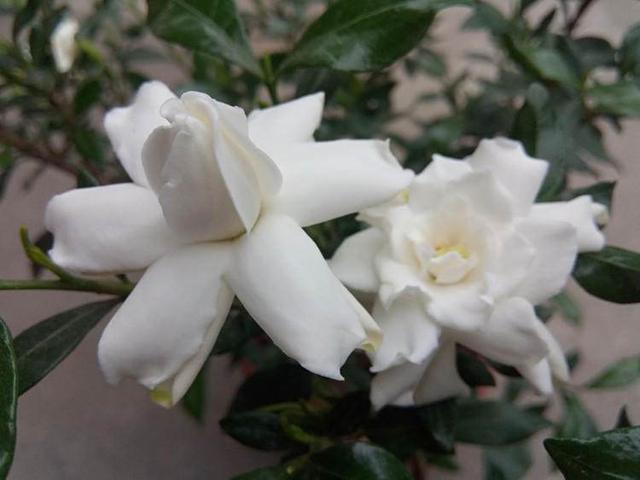
Gardenias (Gardenia jasminoides) are evergreen all year round, with fragrant, richly scented flowers. They are ornamental flowers much loved by the public for their excellent flowers, leaves and scent, and can be used for group planting in gardens or along roadsides, or grown in pots. Come summer, the gardenia blooms, white and fragrant, very beautiful indeed. But many flower lovers still do not understand how to make gardenias burst into bloom. In fact, understanding the 2 images below is the "art" of making gardenias burst into bloom.
Gardenias have strong sprouting ability, and the clump grows denser the longer it grows, making branches prone to overlapping and poor ventilation, with nutrients dispersed so flowering decreases and branches age easily. From after winter sets in until before buds sprout, besides cutting out leggy twigs, weak branches and diseased or damaged branches, combine clump renewal by gradually eliminating some perennial old branches year by year, to encourage vigorous new branches and abundant flowering. This is the first "art" of making gardenias burst into bloom.
Then, flower lovers can also promptly cut off spent flowers and the tips of shoots after flowering to encourage new shoots to grow (see the image below); when the new shoots grow to 2~3 nodes, carry out pinching back, and appropriately remove some axillary buds. For branches in unsuitable positions, either cut them off or tie and train them, adjusting their direction and filling gaps, so that density is moderate and lengths are appropriate, keeping the potted plant harmonious and attractive. This is the second "art" of making gardenias burst into bloom.
In addition, when caring for gardenias, you also need to pay attention to the following points:
1. Choosing soil: Gardenias like fertile, loose-textured, well-draining, slightly clayey acidic soil. They tend to turn yellow when grown in alkaline soil, being a typical acid-loving plant. For potting, the growing medium is best mixed from 40% garden soil, 15% coarse sand, 30% aged manure soil and 15% leaf mold.
2. Feeding
Gardenias are heavy feeders and need frequent topdressing during the growing season, applying a low-concentration fertilizer once a month, such as a general-purpose organic nutrient solution for flowers; or watering with 0.2% ferrous sulfate solution or alum fertilizer water once every 10~15 days, which can prevent the soil from turning alkaline, supply iron to the soil, and keep the leaves from turning yellow. Before flowering, add 1-2 applications of an organic nutrient solution balanced in nitrogen, phosphorus and potassium, which can promote larger blooms.
3. Watering
Gardenias like moisture, and on ordinary days you need to keep the soil moist, and pay attention to raising the relative humidity of the air. For watering, rainwater or fermented rice-washing water is suitable.
In summer, besides watering, you also need to spray water on the leaf surface once each in the early morning and in the evening every day, to raise the relative humidity of the air and give the leaf surface a glossy look. After flowering in August, only plain water may be watered, and the amount of watering should be controlled. In winter, water less, keeping the soil on the dry side, and you can often spray the leaf surface of the plant with plain water to keep it smooth and clean.