Fertilize your clivia like this for big, vividly colored flowers and emerald green leaves, and never worry about it failing to bloom again
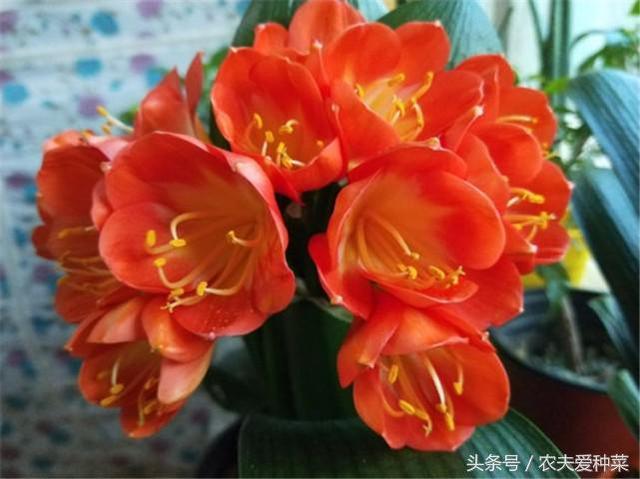
Clivia is grown in many flower lovers' homes, valued for both its foliage and its flowers. Of course, what we want most is for it to produce beautiful blooms, but clivia is a flowering plant that needs a lot of fertilizer. To get big, vividly colored flowers and emerald green leaves, fertilizing is essential!
Clivia is a fertilizer-loving plant. Without fertilizing, not only will its leaves be small and lack luster, but it will very likely fail to bloom. So how should you fertilize clivia?
The suitable growing temperature for clivia is 15-25°C. Generally, fertilizing clivia is mainly done during the vigorous growth periods of spring and autumn. In summer, when the weather is extremely hot, fertilizer is usually not applied to prevent root rot. In winter, when temperatures are low, fertilizer is generally not applied either, unless the temperature can reach above 15°C, in which case a small amount can be applied sparingly.Spring fertilizing:
Spring is the peak growing season for clivia. Generally, its pot is repotted around April and May each year. At this time, an appropriate amount of base fertilizer should be added during repotting, which can promote green leaves and vivid flowers.
At this point, you can add some of the organic fertilizers we normally compost, such as poultry and livestock manure fertilizer, composted fruit peel and vegetable scrap soil fertilizer, Chinese medicine residue soil fertilizer, composted peanut shell and sunflower seed shell fertilizer, bone meal fertilizer, and so on. Then spread a layer of charcoal at the bottom for even better looseness and aeration.
For top dressing, apply a light fertilizer mainly based on nitrogen fertilizer about once every 10 days, such as composted soybean cake fertilizer, castor bean fertilizer and other oil-bearing liquid fertilizers, which can make its leaves grow large and thick.Autumn fertilizing:
Autumn is also a peak growing season for clivia. At this time, we can add some fertilizer to its potting soil to help it send up flower stalks and produce big, vividly colored flowers. The fertilizer can be fried castor beans, sesame seeds, or cooked soybeans, crushed and buried in the pot.
Taking soybean fertilizer as an example, you can first soak the soybeans for a day, then cook them until soft and mushy, then dig a few small holes around the edge of the flower pot and put 3 or 4 soybeans into each hole. After the cooked soybeans are buried in the soil, they will slowly release nitrogen and other elements, allowing the clivia to absorb nutrients and grow more vigorously.
In addition, you should apply fermented fish-tank water or rice-washing water once every 15-20 days, and the effect is also quite good.