Do these few things for jasmine in summer and it will grow nonstop
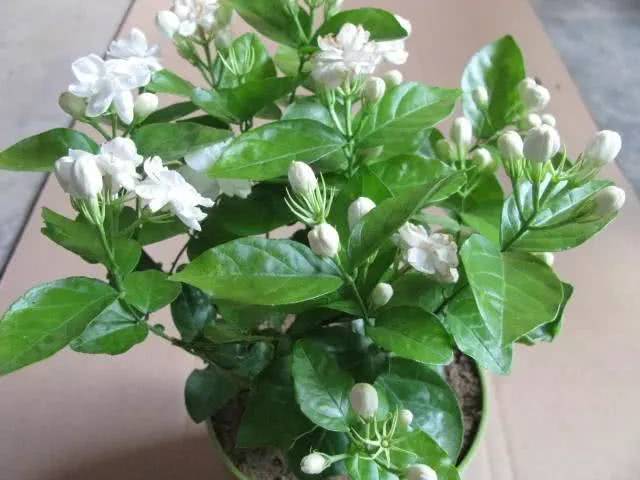
Summer is about to arrive. Are the jasmines of fellow flower growers already blooming one after another? If so, then at this time, growers with potted jasmine should pay attention: in summer, do these few urgent things for jasmine, and it will grow nonstop and keep blooming continuously.
The thing to do in summer is to fertilize jasmine in time.
Fertilizing: the hot midsummer season is the peak growing period for jasmine. Apply more organic fertilizer and phosphorus-potassium fertilizer, such as peanut cake powder, bone meal, superphosphate and multi-element flower fertilizer, twice a month. During the summer growing period, jasmine often shows lush branches and leaves but no flowers. The main reason is applying too much nitrogen fertilizer, which causes excessive vegetative growth. In such cases, control fertilizer and water, increase phosphorus-potassium fertilizer to promote flower bud formation, and at the same time move the jasmine to a place with ample sunlight and good ventilation. For jasmine that has already bloomed, start topdressing, once a week with organic liquid flower fertilizer. You can combine it with watering the jasmine: dilute the fertilizer in water and pour it directly at the roots to achieve the topdressing effect.
In summer, jasmine successively produces early flowers, but these flowers are generally small and few and should be picked off in time. Otherwise they consume too many nutrients, which will affect the quality and quantity of later blooms and delay the flowering period, affecting the ornamental display. The method of picking flowers is to remove the flower together with the tender leafy shoot, prompting new shoots to grow again and the branches and leaves to become lush. At this time, apply dilute fertilizer water twice a week and keep the potting soil moist.
In addition, jasmine likes light. When growing jasmine in summer, remember that jasmine likes hot, humid, ventilated and airy environments and needs sufficient light. The flowerpot should be placed in a spot with ample sunlight, but avoid direct strong light at noon. Jasmine likes sufficient sunlight; in summer it can be grown in the open where there is direct sunlight, and when grown in a greenhouse in winter it also needs direct sunlight. When growing jasmine at home, sometimes branches and leaves are lush and growth is very good, and it blooms.
For potted jasmine in summer, whether it grows well or poorly depends on whether watering is appropriate. Jasmine is not drought-tolerant, but it also dislikes waterlogging. In the rainy season, promptly pour out accumulated water in the pot, otherwise the leaves easily turn yellow. In summer, in areas with dry, windy climate and high evaporation, water once every two days, and also frequently spray water on the leaf surface. In summer, temperatures are high and jasmine grows fast, so water demand increases; water twice a day to promote growth. Always keep sufficient water in the potting soil, but avoid accumulated water in the pot.
Potted jasmine generally should have its pot and soil changed once a year. When changing the pot, remove part of the old soil and residual roots around the jasmine root system, replace with new growing medium, and improve the soil's aggregate structure and nutrients again, which is beneficial to the growth of jasmine. After repotting, water thoroughly as when potting up, so that roots and soil fit closely and growth resumes. Before changing the pot, prune the jasmine once: keep only about 10 cm of the previous year's branches, and cut off diseased and dead branches as well as overly dense and overly thin branches. During the growing period, often thin out overly dense old leaves, which can promote axillary bud sprouting, more new branches and more flower buds.
In addition, when growing jasmine, fellow flower growers should also note one more thing: jasmine requires special attention to watering, and you should follow the watering principle of "do not water if not dry, and when watering, water thoroughly", giving the roots a chance to breathe, so they will not die from waterlogged root rot.
After flowering, when bringing it indoors to enjoy the fragrance, do not water it. Placing it in a dark place at home also must not exceed three days, otherwise the plant will become weak and spindly or even die due to lack of light, insufficient evaporation and circulation.
In summer, do these few urgent things for jasmine and it will grow nonstop. That is all for this sharing. I hope it helps friends who love growing flowers. If you have better suggestions, you are welcome to leave a comment below.