Women who eat it every day can beautify their skin, nourish their complexion and fight aging, and it can be eaten raw or cooked.
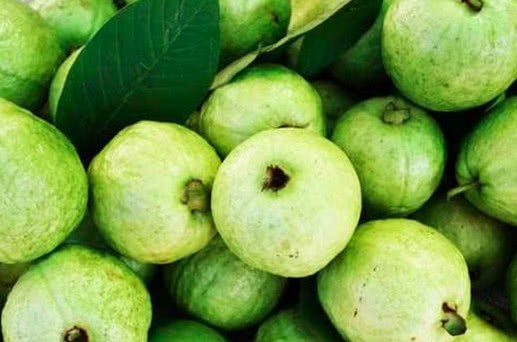
Guava originates from South America. It is cultivated throughout South China, and wild species that have escaped cultivation are commonly found, reaching as far north as the Anning River Valley in southwestern Sichuan, growing on wasteland or low hills; the fruit is eaten; the leaves contain volatile oil and tannins, among other things, and are used medicinally, with effects such as stopping diarrhea, stopping bleeding and strengthening the stomach; after the leaves are boiled to remove tannins and dried in the sun, they are used as tea, which tastes sweet and has a heat-clearing effect. Guava tastes sweet and juicy, its flesh is smooth, and its core is small and seedless; eating it regularly can supplement the nutrients the human body lacks and can strengthen the body and improve physical fitness. Compared with apples, guava contains 38% less fat and 42% fewer calories. Guava is also widely used in the food processing industry, mainly to increase the vitamin C content of foods and to fortify and enhance their nutritional value.
Guava can be eaten as a fresh fruit raw or cooked, and cooked guava can be made into various sauces such as jam, jelly and chutney. Adding guava when making various sauces, fruit salads, pies, puddings, ice cream, yogurt and certain drinks can also enhance the flavor. Guava can be eaten with the peel or peeled; before eating, the fruit needs to be cut in half, and it can be added in the appropriate amount according to cooking needs. Guava itself is rich in nutrients, among which the content of protein and vitamin C is especially high, and it also contains vitamin A, B vitamins and trace elements such as calcium, phosphorus, iron and potassium. Guava is also rich in nutrients such as dietary fiber, carotene and fat. In addition, guava contains nutrients such as fructose, sucrose and amino acids.
Medicinal leaves and fruit: sweet, astringent, neutral. Astringes the intestines to stop diarrhea and stops bleeding. Used for diarrhea, dysentery and indigestion in children. Fresh leaves: used externally for bruises, traumatic bleeding and chronic shin ulcers that will not heal. Regularly eating guava has an anti-aging effect. This is because guava is rich in the antioxidant vitamin C and lycopene, which can effectively reduce the damaging effects of free radicals on the skin. Guava has a blood sugar-lowering effect and has a unique effect for people with diabetes; it is high in fiber and can effectively remove accumulated stool from the intestines. Guava fruit is rich in vitamin C, iron, calcium, phosphorus and other minerals, supplements the body's vitamin needs, and has a sobering effect for those who drink excessively. Boiling the peel in water and adding brown sugar can remove dampness and stop diarrhea. Dried fruit, leaf cores and leaves can be used as a tea substitute, aiding digestion and treating certain diseases.
Like tomatoes, guava is rich in lycopene, a carotenoid compound with strong antioxidant properties that can inhibit tumor cell proliferation and prevent healthy cells from becoming cancerous; in addition, its rich VC content also helps the human body clear oxidative free radicals, reduce cell damage, and has a role in preventing colon cancer, skin cancer, prostate cancer, stomach cancer, oral cancer, breast cancer and lung cancer. Do you like eating guava?