A detailed guide to forest bonsai tips to help you get started easily
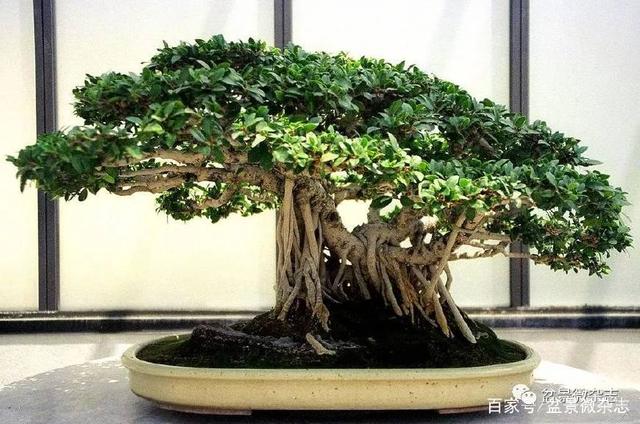
Tips for forest bonsai
So-called forest-style bonsai is the art of arranging multiple trees (generally fewer than ten) in a pot according to certain aesthetic principles to reflect the beauty of clustered trees in nature. There are some tips for making forest-style bonsai.
1. Choosing the pot. To highlight the plants' volume, posture, momentum and other characteristics, the pot should mainly be a shallow one such as rectangular or oval. The material of the pot can be chosen according to the ecological habits of the tree species and the size of the tree, while purple clay pots, porcelain pots and glazed pots are not good.
2. Requirements for the plants. Forest-style bonsai mainly reflects the comprehensive image of the beauty of a tree group. Although the choice of plant forms is not as strict as for other bonsai, the image of group beauty is embodied through the combination of individuals. Therefore, each tree used as forest-style bonsai must also be able to express its individual beauty within the unified composition. So a single tree should also have special value in posture, color and ornamental qualities. Furthermore, according to the basic principle of unity and variation, the plants must have common features (that is, similarities) and also distinctive features (that is, differences). If the tree species are the same (having common features), then the selected plants should differ in size, body shape and posture (that is, they must have distinctive features); if the tree species are different (having distinctive features), then the selected plants must be very similar in appearance (that is, they must have common features). Otherwise, the forest-style bonsai made will be too rigid or chaotic.
When planting trees together, avoid planting them in a straight line, and also avoid planting them in an equilateral triangle. A reasonable layout should be: staggered front and back, uneven in height, clear in distance, and with large and small echoing each other.
Fourth, harmonious unity and diverse variation. Tree planting should seek variation within unity and unity within variation. If the tree species are different (generally two kinds of trees; more than two species is not suitable for unity), then the number of the two kinds of trees must be unequal (the main tone tree species should have an absolute advantage in volume and quantity). When planting, the two kinds of trees cannot each form a separate group; they should coordinate with each other, or the main tone trees should be divided into several groups, with the smaller-numbered species planted in one group of the main body of main tone trees; otherwise, the composition cannot be unified. If the tree species are the same, then they must differ in body shape and other aspects. Fifth, after the trees are planted, appropriate accessories can be added according to the needs of the landscape to make up for deficiencies in the planting, enrich the landscape content, and expand the artistic conception. At the same time, a title should be given according to the characteristics of the landscape. Because a good scene name can not only point out the theme of the scene and enrich the appreciation content of the bonsai, but also, through its guiding role, inspire viewers to enter the artistic conception and increase poetic and pictorial charm.