What food do kissing gouramis like to eat, and how large is their appetite?
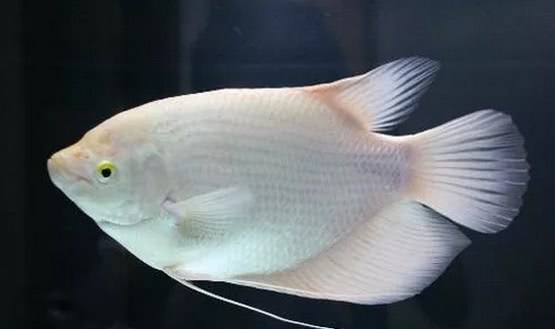
Feeding is a very important part of keeping ornamental fish. The food we feed and the amount we feed are both things we need to pay attention to, so what is best to feed kissing gouramis? When keeping kissing gouramis, I believe everyone will give them the best food and the best environment. In fact, their dietary requirements are not high, they like quite a lot of foods, and there is no limit to how much they eat, but we must pay attention to keeping the nutrition balanced. So when keeping kissing gouramis, how should their appetite and nutrition generally be managed? Let me explain in detail below, and those who are unclear about this can take a look.
There is no limit to the number of times per day you feed kissing gouramis; they can eat at any time, as long as the kissing gourami is willing, with some exceptions, such as reducing feeding when the water is cloudy, and stopping food during treatment. We will not give special explanations for these exceptions here; we will just talk about how kissing gouramis eat under normal conditions.
Kissing gouramis are one of the large tropical fish, with a good temperament and easy to keep. When keeping kissing gouramis, what they eat is a big challenge. Kissing gouramis are omnivorous animals, and how to feed them and how much to control the feeding amount are factors that need to be considered.
1. What to eat to grow fast
Feeding kissing gouramis so they grow fast and grow better is the most important thing. In feeding, achieving food pairing and balanced nutrition is good for the growth of kissing gouramis. Feeding live foods such as breadworms, barley worms, and small goldfish can promote eating in kissing gouramis by raising the temperature. And there is no limit to the number of times per day you feed kissing gouramis; they can eat at any time, as long as the kissing gourami is willing.
2. Food selectivity
The foods that kissing gouramis eat include plant-based and animal-based feeds, and so on. They roughly include: fruit, vegetables, and meaty foods (small fish, small shrimp, etc.). Usually, based on the experience of fish keepers, they are often fed cucumber, green vegetables, and so on, and of course there are also choices such as homemade burgers and live foods. Small fish and small shrimp have a high protein content and work quickly; when feeding, be sure to remove the heads and tails of the shrimp to prevent scratching the stomach and intestines of the kissing gourami. In addition, when feeding meaty foods, it is very likely to cause the water to become cloudy, so try to ensure good water quality.
3. How is the appetite?
How to keep kissing gouramis so they grow fast and grow better is the most important thing. In feeding, achieving food pairing and balanced nutrition is good for the growth of kissing gouramis. Feeding live foods such as breadworms, barley worms, and small goldfish can promote eating in kissing gouramis by raising the temperature. And there is no limit to the number of times per day you feed kissing gouramis; they can eat at any time, as long as the kissing gourami is willing.
4. Points to note
Before eating, make sure the food has been cleaned thoroughly. Kissing gouramis can eat and can produce a lot of waste, so promptly clean up the residue and feces in the water to ensure that the kissing gourami has a good water-quality living environment.
Overall, as for what kissing gouramis eat, the food choices are diverse; in feeding, just make sure the food is reasonably paired. Before eating, make sure the food has been cleaned thoroughly. Kissing gouramis can eat and can produce a lot of waste, so promptly clean up the residue and feces in the water to ensure that the kissing gourami has a good water-quality living environment.