Add a little something to your watering routine and keep leaves green and lush
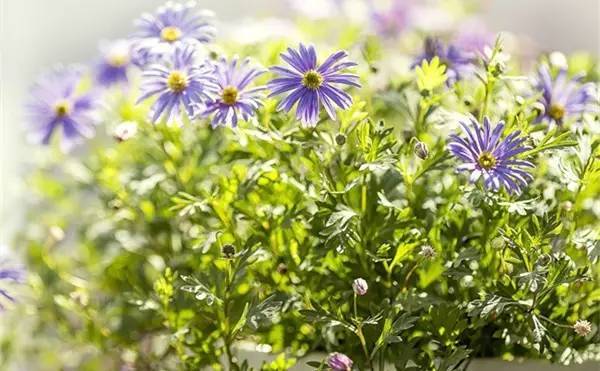
Many gardening enthusiasts always see growing flowers as an incredibly difficult task, worrying all day about watering, fertilizing and the environment, always feeling that one careless move will send their plants to an early grave.
In fact, growing flowers is not as difficult as many people imagine. When watering, just add a little something to the water, and you are guaranteed to have plants with flourishing branches and leaves, growing at an incredibly vigorous rate!
Baking soda
Baking soda is a very common household item, but what many people do not know is that it is also a great choice for growing flowers. Whether for sterilizing and disinfecting or for preventing and treating diseases, its effects are quite good.
How to use:
1. Mix a small spoonful of baking soda thoroughly with about 1000ml of clean water, then spray it on the leaf surface. It can sterilize and disinfect, and prevent pests and diseases;
2. Add a spoonful of baking soda to 4000ml of water, then spray it on flowers that are about to bud. It can promote flowering and also extend the blooming period;
3. Baking soda solution can also effectively improve the pH of the soil. For flowers that like alkaline soil, such as cacti and hydrangeas, it is simply a powerful tool for promoting their growth.
Aspirin
Aspirin contains a certain amount of salicylic acid, which can speed up plant growth, improve the plant's own disease resistance and immunity, and also sterilize and disinfect, playing a role in preventing disease invasion.
How to use:
1. Mix one aspirin tablet with about 1000ml of water and shake well. Using this solution to water flowers can promote plant growth, helping them grow faster and better;
2. After adding one aspirin tablet to water, use this water to water flowers. It can improve the plant's disease resistance, prevent black rot, disease spots and so on. It can also further enhance the plant's drought resistance and waterlogging resistance, promoting normal and healthy plant growth;
3. Of course, using aspirin solution to water flowers can also play a certain role in treating plant diseases and alleviating symptoms such as yellowing and withered leaves.
Vinegar
This method is more suitable for flowers that prefer acidic soil, such as rhododendrons and Aglaia odorata. When growing flowers in northern regions, because the soil tends to be alkaline, it easily causes leaves to turn yellow and scorch. You can appropriately add some vinegar to the water to alleviate this situation.
Moreover, vinegar can also promote the plant's absorption of iron and has the ability to enhance flower disease resistance and prevent plant chlorosis, making it a great helper in growing flowers.
How to use:
1. Dilute vinegar with about 200 parts clean water, then pour the resulting solution onto the soil surface of the plant. It can improve the pH of the soil and also help speed up plant growth;
2. Mix vinegar and clean water at a ratio of 1:300 to make an aqueous solution, then spray it on the leaf surface. It can enhance the plant's disease resistance and make the leaves brighter and more glossy, beautiful and elegant.
Beer
Beer contains a large amount of nutrients, such as sugars and proteins. These are all indispensable substances in the process of flower growth, and beer also contains a large amount of carbon dioxide, which is beneficial to flower growth.
How to use:
1. Spray the solution with beer added onto the leaf surface of plants. It can not only wash away surface dust, but also make the leaves brighter and thicker, extremely beautiful;
2. Mix beer and clean water at a ratio of 1:6 and pour it onto the soil surface. It can kill scale insects;
3. Beer is also a very good fertilizer. After diluting it with about 10 times the amount of clean water, fertilize once a month. It can speed up plant growth and make the plant healthier and more robust.
21 Golden Vita
I think gardening enthusiasts who have used 21 Golden Vita before will share the same feeling: its effect is much better than ordinary fertilizers. Using it to water flowers can not only make plant leaves incredibly glossy, but also supplement trace elements for flowers and promote plant growth.
How to use:
Take one 21 Golden Vita tablet, then add about 500 times the amount of clean water. Stir evenly and use it to water flowers. This method is especially suitable for foliage potted plants at home, such as pothos and money tree, with very good results.
Salt
In fact, salt is also a good assistant in growing flowers, but when using it, you must pay attention to concentration and dosage. Do not use it rashly, otherwise it may cause damage to flowers.
How to use:
1. Mix salt and clean water at a ratio of 1:100, then use it as the medium for hydroponic plants. It can extend the flowering period and promote flower buds to bloom;
2. Sprinkle some salt around the flowers. It can prevent pest invasion and prevent pests such as aphids, red spiders and scale insects.
Ferrous sulfate
Ferrous sulfate is a common compound fertilizer. It can not only improve the pH of the soil, but also supplement iron for flowers, promote the formation of chlorophyll inside the plant, and speed up flower growth.
How to use:
1. Use a ferrous sulfate solution at a ratio of 1:200, then spray it on the soil surface of the flowers. It can improve the pH of the soil and is very beneficial to the growth of flowers such as gardenias and rhododendrons;
2. Alternatively, you can spray the diluted ferrous sulfate solution on the leaf surface of plants. The plants can directly absorb these nutrients through the leaves, thereby speeding up growth.
Vitamin B12
Vitamin B12 not only has an outstanding ability to promote body recovery and enhance human resistance, but also has unexpected benefits in growing flowers.
How to use:
1. During the plant's transition period after repotting, you can spray a 1:2000 vitamin B12 solution on the soil surface. It can sterilize and disinfect, and also promote root germination and reduce the transition period;
2. Spraying vitamin B12 solution on the leaf surface of plants can achieve the effect of foliar fertilization and improve the plant's overall resistance;
3. After diluting vitamin B12 about 3000 times, spray it on the leaves. It can brighten the leaves and make the plant's leaves more glossy and lustrous.