Gardenia, Kalanchoe, Money Tree, and Pachira wilt when it gets hot; do this and they'll revive in 2 days
Wilting Roses
Just a few days into summer, the new branches and tender leaves of roses start to wilt and droop. There are mainly 3 reasons:
1. Waterlogged roots
When you water too much or encounter consecutive rainy days, if you don't promptly clear the standing water in the pot, the roots have difficulty breathing and rot, causing the leaves to wilt and drop.
Remedial measures: When the roots are rotten, you need to repot and change the soil. First gently take out the plant, shake off the soil, cut off the rotten roots, then soak them in carbendazim or a diluted potassium permanganate solution for disinfection;
After drying, move it to a larger pot, fill in new loose garden soil, then water thoroughly once, and leave it in a ventilated place to dry for a few days before returning to normal care.
2. Branches and leaves too dense
Remedial measures: Either move it to a larger pot, water thoroughly the first time after repotting, then place it in a ventilated, bright spot; or thin out the branches and leaves, cutting off leggy branches and thin, weak branches, and mist the leaves daily to increase humidity.
3. Stem sawfly damage
Remedial measures: Promptly cut off the diseased branches, and at the same time inject 25% imidacloprid or diluted avermectin into the affected areas, for 3~4 consecutive times.
What to do when the Money Tree wilts?
When money tree leaves wilt, the most likely problem is improper watering: either too wet and stuffy, causing root rot, or too dry and parched.
Remedial measures:
Money trees need watering every day in summer. If you can't judge the right amount, gardening friends can regularly feel the potting soil, keeping it dry but not parched, moist but not soggy.
To maintain higher air humidity, mist around the flower pot about every 3 days, and make sure there is ventilation.
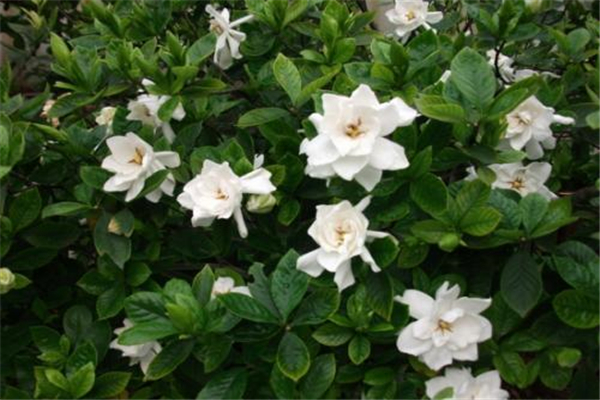
What to do when Gardenias wilt?
In summer, gardenia leaves transpire very quickly, especially large-leaf gardenias. Once they leave the high-humidity environment of a greenhouse or flower market, the leaves quickly wilt.
Remedial measures:
Gardenias need relatively high air humidity. Mist around the leaves every morning and evening, and also prune overly dense side branches and weak branches to increase ventilation;
Gardenias love water, so you can water them every day in summer. Make sure the soil has good air permeability and drainage to avoid waterlogged roots.
What to do when Kalanchoe wilts?
Kalanchoe loves light and tolerates drought. In newly bought kalanchoes, the buds most easily droop and hang down, or even drop off. This is generally caused by insufficient light or waterlogged roots!
1. Insufficient light
First check the roots. If the roots aren't rotten, the wilting flowers and leaves are caused by insufficient light.
Remedial measures:
Place it on a south-facing windowsill to get more sun, avoiding strong direct light; if the indoor air is too dry, you can spray water around the leaves, but be careful not to spray the flowers, to prevent bud drop.
2. Waterlogged roots
Remedial measures:
After root rot, you need to repot and change the soil, but pay attention to 2 points
1. If it's a newly bought kalanchoe, don't rush to repot it first, don't move its position casually, and let it adjust for a while before touching it;
2. When changing the soil, the soil should be loose and breathable. Right after repotting, don't expose it to strong sun; first place it in scattered light for a period of care.
What to do when Pothos wilts?
To find the problem, you first need to understand pothos's growth habits. Pothos likes a moist, semi-shaded environment. If the leaves wilt, check whether watering and light are appropriate.
Remedial measures
1. Potted pothos only needs a thorough watering about every 5 days in summer, keeping the potting soil moist but not waterlogged;
2. Place the pothos in a bright spot with scattered light, avoiding strong light that can scorch the leaves;
3. Be sure to pay attention to ventilation, and prune leggy branches and leaves.
What to do when Jasmine wilts?
Jasmine loves light; the more sun, the more flowers. But once summer comes, as you care for it, the leaves droop, or turn yellow and scorched. At this time, pay attention: the roots may very likely be rotten!
Remedial measures:
1. Newly bought jasmine needs to adapt to the new environment. Cut off the buds and weak branches to reduce nutrient consumption;
2. During the flowering period, never repot it, as it easily damages the roots and causes the leaves to slowly wither;
3. Root rot is either from too much water or from heavy fertilizing. You need to repot and change the soil:
Use a loose soil mixed with river sand + peat soil; when squeezed in the hand it forms a ball, and when the hand opens it falls apart, so air permeability will be better. Spread out the roots, do not let them curl or fold, then repot.
4. Place the jasmine in a well-ventilated spot with scattered light for care, promptly cut off wilted dead branches and dead leaves, and in about half a month it will grow back well!
Finally, Huahua reminds everyone:
In summer, no matter what flowers you grow, be sure to pay attention to ventilation, ventilation, ventilation! Otherwise even people feel stuffy and listless, let alone those flowers!
Gardening friends, pay a bit more attention to the small details
and your flowers will grow vigorously at any time!