Summer is the perfect time to make fertilizer water, so you'll never worry about running out of fertilizer for your flowers all year round
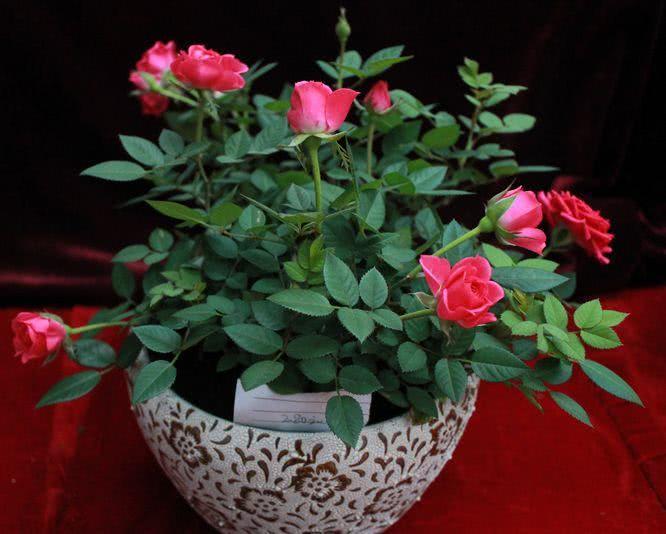
The hot summer has arrived, and the weather is so hot it makes people irritable. I really hate summer, but there is one advantage at this time: you can quickly make flower fertilizer and speed up the fermentation process. With such high temperatures, brew some fertilizer water, and by the time autumn comes and most plants enter their growing season, it will be ready to use.
1. Bean fertilizer water
Beans are the most common nitrogen fertilizer material in daily life. Whether it's soybeans or soybean cake, both can be fermented and then used to water flowers. If using beans, you need to soak them for a full day and night first, then boil them. After boiling, the soybeans can be buried directly into the soil. You can use chopsticks to poke a few holes, then put in three to five boiled soybeans. Be careful to keep them a little away from the roots.
The second way to use soybeans is to compost them. Crush the boiled soybeans, put them into a plastic bottle, add an appropriate amount of clean water, and place it in the sun. Generally, it will be fully decomposed in about a month. Of course, the soybean cake left after pressing soybean oil can also be handled this way. Break up the soybean cake, also put it into a bottle filled with clean water, and after fermentation is complete, dilute it with water and use it to water flowers. This is excellent nitrogen fertilizer.
2. Rice washing water
When we make porridge, the water left from washing rice contains relatively many trace elements and is a very common fertilizer in daily life. However, rice washing water cannot be used directly to water flowers; it needs to be decomposed first before it can be used. Just like the bean fertilizer water above, put the rice washing water directly into a plastic bottle, then place it in the sunlight and wait for fermentation to complete. Generally, when the rice washing water turns yellow or yellowish-black, it means fermentation is done. When using it, also dilute it with water before watering flowers.
3. Fruit peels and vegetable leaves
Fruit that goes bad because it can't be eaten in time and rotten vegetable leaves can be fermented into very good fertilizer. Mix them directly into sandy soil or garden soil, seal the top with mud or cover it with plastic wrap, and generally in about two to three months they will decompose into humus soil. It can be mixed into potting soil when repotting, or used as fertilizer.