This wild fruit that looks like fish scales only bears fruit once every 2 years, going from covering whole mountains to costing a hundred yuan per jin
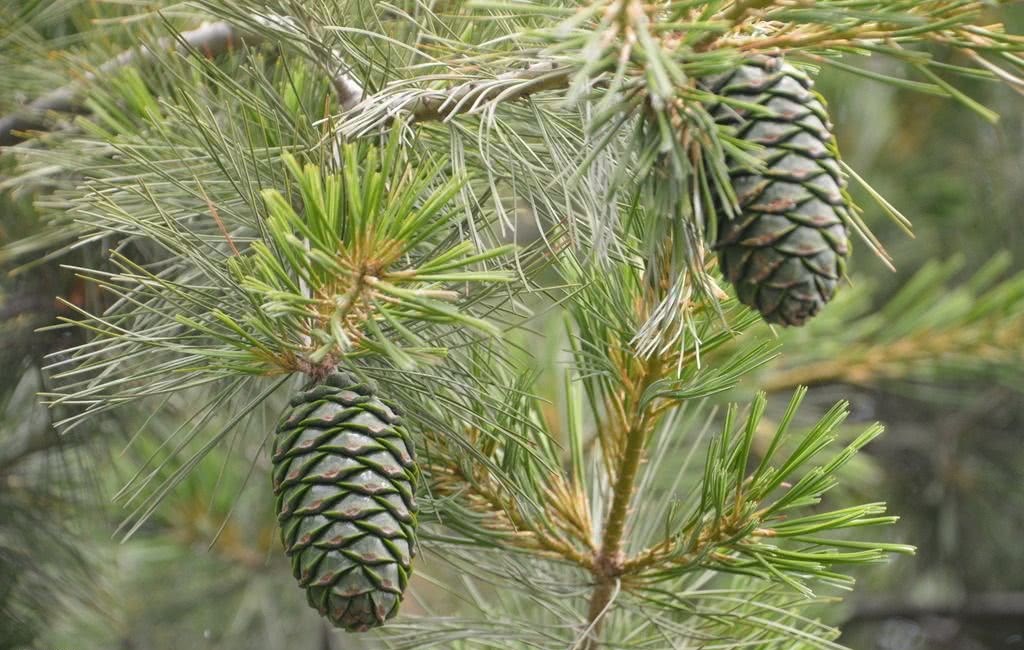
There is an ancient poem that goes: "In the empty mountain, pine seeds fall; the recluse should still be awake." This poem depicts the quiet and beautiful scene in a pine forest, and also brings out a delicious wild fruit, namely pine seeds. Many people think that as long as it is a pine tree, it can bear pine seeds, but this is not the case. Only a few specific species of pine trees bear pine seeds, such as the Korean pine of Northeast China, the Yunnan pine, the Huashan pine, and the masson pine. The seeds of other pine trees are winged seeds that are blown away by the wind once they split open. So next time you see an empty pine cone in the woods, do not be disappointed; you just picked the wrong pine tree.
The pine cone can also count as a kind of wild fruit, because many pine trees are wild. The pine cone looks like fish scales on the outside, and the delicious pine seeds are tightly wrapped by these scales. It takes 2 years to mature, so the pine cone only bears fruit once every 2 years, which is also rather rare. I remember that when I was a child, these pine trees covered the whole mountain, and different pine fruits ripened every year. After September and October, a large crowd of people would always go into the mountains to pick pine cones. At that time, pine cones were truly everywhere, and while picking pine cones you could also see squirrels in the mountains eating pine seeds, which was very interesting.
At that time, pine seeds were not worth money, because shelling the pine seeds out of the pine cones was very troublesome. First, the pine cones had to be sun-dried until they split open, then beaten hard with a wooden stick to knock all the pine seeds out, and then the pine seeds had to be roasted over a low fire, which was quite troublesome, not as convenient and quick as eating sunflower seeds. Later, with social development, the trend of eating nuts as good for the body became popular, people began to value the nutritional value of pine seeds, and pine seeds gradually became a rare thing, with prices rising accordingly.
But the main reason is still the decrease in the number of pine trees, as well as the high cost of manually harvesting pine seeds, so a jin of shelled pine seeds sells for a hundred yuan per jin on the market.
In ancient China, pine seeds were called the "longevity fruit." The medical book Bencao Jingshu evaluated pine seeds this way: "Sweet in flavor and nourishing to the blood; when blood and qi are abundant, the five organs are naturally moistened, and the hair does not turn white nor does one feel hunger." They were highly praised by medical experts through the dynasties. Traditional Chinese medicine believes that pine seeds can tonify deficiency and moisten the intestines, and that eating them regularly can delay aging. According to modern medical research, pine seeds contain a variety of unsaturated fatty acids needed by the human body, can enhance brain cell metabolism, strengthen and nourish the brain, and have a certain preventive effect on Alzheimer's disease.
Nowadays there are also many modern tools to help shell and thresh pine seeds, bringing convenience to farmer friends and allowing more people to taste the deliciousness of pine seeds as early as possible. Dear readers, have you ever eaten pine seeds?