How to save a succulent or clivia with root rot? If you delay any longer, it won't survive the summer
Succulents
In hot weather, the most important thing for succulents is controlling water. But many flower lovers always worry about their succulents being "thirsty," and can never hold back when watering, which easily causes root rot in succulents.
1. Trim the rotten parts
Check the condition of the succulent's root rot. If it's mild rot, use scissors to cut off the rotten roots.
If the rot is more severe, you need to cut off all the roots, keeping only the top of the succulent.
2. Disinfect the wound
Apply carbendazim powder to the wound and leave it in a ventilated place to dry for 1-2 days.
3. Add coal chunks as a base layer
To prevent the succulent from rotting again, before potting, first place a layer of coal chunks at the bottom of the pot to increase air permeability. The smaller coal residue can be mixed into the soil.
4. Mix soil and pot up
Mix coconut coir soil and perlite at a 1:1 ratio, pot the trimmed succulent, and you can spread a layer of coarse sand on the surface of the pot.
5. Care under indirect light
After potting, place the succulent in a well-ventilated environment with indirect light for care. Be sure not to expose it to direct sunlight, and wait until it has established itself before gradually introducing sunlight.
Money tree root rot
Money trees are relatively easy to keep alive, but once the weather gets hot and temperatures rise, if there's standing water in the potting soil, "root suffocation" easily occurs, and over time, the money tree naturally develops root rot.
1. Dig out the rotten roots
First observe the condition of the root rot, and use a sterilized knife to dig out the rotten parts.
If the rot is relatively severe, use a saw to directly saw off the rotten roots until healthy branches and trunk are exposed.
2. Soak in potassium permanganate solution
Soak the trimmed money tree in potassium permanganate solution for more than thirty minutes.
3. Disinfect and air-dry
Take out the soaked money tree, apply carbendazim powder to the wound, and leave it in a cool, ventilated place to dry.
For a money tree whose roots have been completely removed, you can soak it in rooting water before repotting.
4. Add a base layer to the pot
Before potting, spread a layer of broken brick pieces at the bottom of the pot. Cut off the bottom of a mineral water bottle, poke holes in the bottle cap, and place it among the bricks to increase air and water permeability.
5. Mix soil and pot up
Mix leaf mold, garden soil and river sand to make nutrient soil. This makes the potting soil more breathable and permeable, preventing root rot from happening again.
Gardenia
If in hot weather you notice your gardenia developing yellow leaves, dropping leaves, or blackened buds falling off, you need to consider whether the gardenia has root rot!
1. Remove from pot
Remove the gardenia with root rot from its pot, gently squeeze the roots, and remove some of the soil.
2. Clean soil off the roots
Soak the gardenia in a large basin filled with water, rub the roots with your hands, and wash the soil off the root system clean.
3. Trim the root system
Use sterilized scissors to cut off all the rotten roots as well as the fine and weak roots of the gardenia.
4. Add a base layer to the pot
To prevent the gardenia from rotting again, when mixing soil, first spread a layer of crushed stones or pebbles at the bottom of the pot.
5. Pot up and care
After potting, mix rooting powder with clean water and water the potting soil thoroughly. Cover the plant with a plastic bag, place it in a cool, ventilated place, and open it every day to spray water.
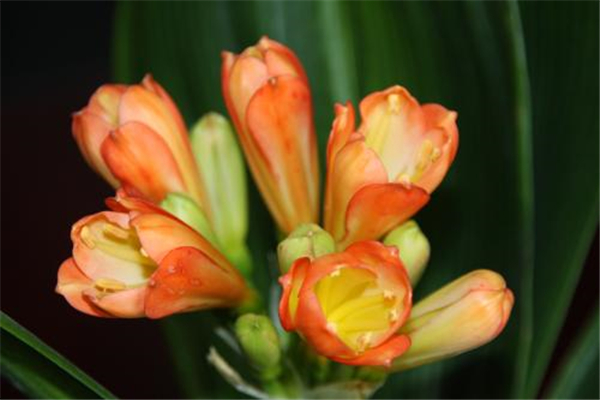
Clivia
If you can't control your watering hand in summer, you're basically throwing your clivia into a "sauna room." High temperatures, standing water and poor ventilation mean root rot in a matter of minutes.
1. Remove from pot
Take the clivia out of the potting soil and clean the soil off the roots.
2. Trim the root system
Use sterilized scissors to cut off the rotten roots. Be sure to cut until the cross-section is clean and white. If the clivia has hollow roots, cut those off as well.
3. Soak in potassium permanganate solution
Soak the trimmed clivia in potassium permanganate solution for about half an hour. After soaking, take it to a ventilated place to dry.
4. Add a base layer to the pot
To prevent the clivia from rotting again, before potting, first place a layer of pine cones at the bottom of the pot. The pine cones should be sun-dried in advance.
5. Mix soil and pot up
Flower lovers can choose to mix leaf mold, river sand and coal cinders into potting soil to plant the clivia. After potting, place the clivia in a well-ventilated environment with indirect light for care.
Orchids
Orchids are inherently difficult to care for. As the saying goes, "Understanding orchid care is easy, but watering takes ten years of skill." The hot summer is especially a tough hurdle for orchid care. Once watering is improper, orchids will definitely develop root rot.
1. Remove from pot and wash the roots
Take the orchid out of the pot and wash the roots clean with clean water.
2. Trim the roots
Sterilize the scissors beforehand, then cut off the orchid's rotten roots. If there are weak or fine roots, cut those off as well.
3. Soak in disinfectant solution
Soak the trimmed orchid in carbendazim solution for more than half an hour.
4. Wrap in sphagnum moss
Soak the sphagnum moss for about 20 minutes, then squeeze the water out of the moss, but don't squeeze it too dry. Gently wrap it around the orchid's roots, not too tightly.
5. Add a base layer to the pot
Crush leftover walnut shells, pine nut shells and other nut shells from home into small pieces and toss them into the flower pot to increase water permeability.
6. Pot up and care
Orchids like loose, breathable soil. Flower lovers can mix leaf mold and sandy soil at a 7:3 ratio as nutrient soil. After potting, don't water heavily; first place it in a ventilated, shady spot to recover.
Do your plants have root rot?
If so, hurry up and start saving them!
If you have other questions, feel free to leave a message for Huahua~