15 perennial flowers for the shady spots in your yard that even plant killers can get to bloom
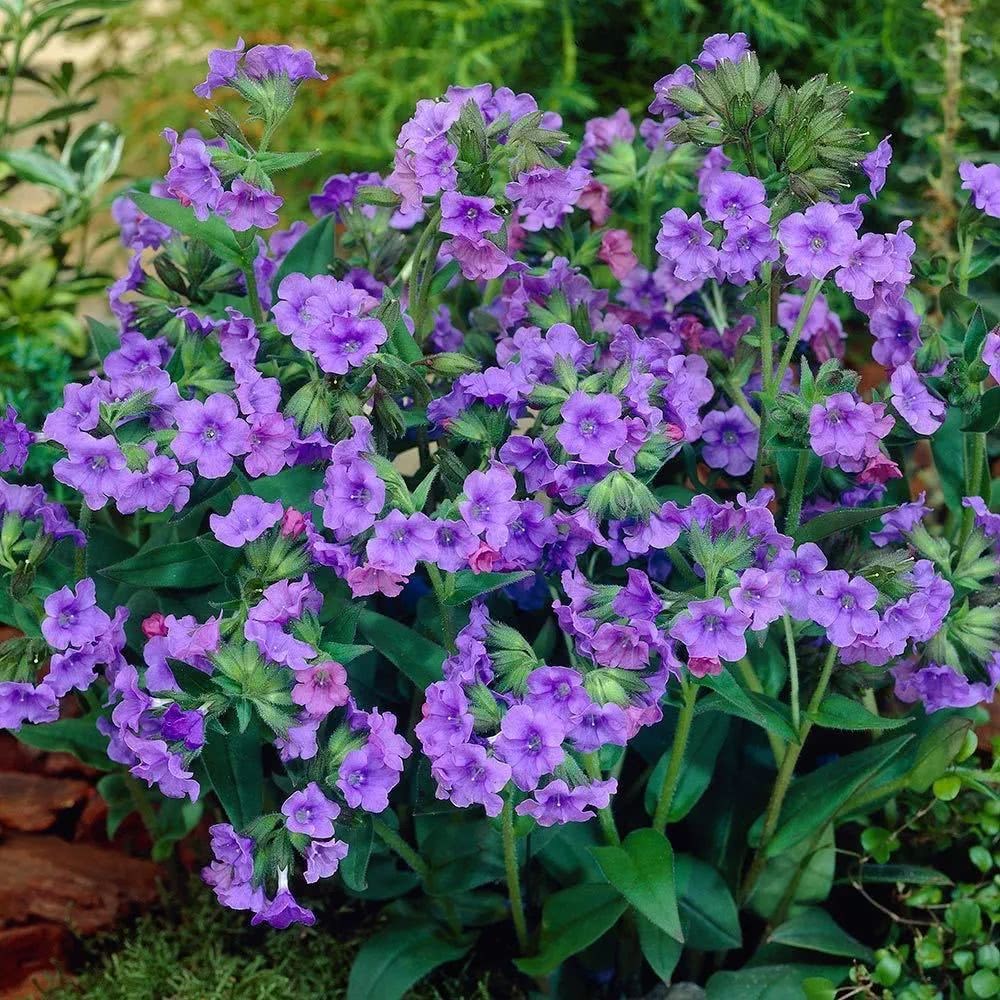
If you want to grow some fairly cold-hardy, shade-tolerant perennials to fill low-light areas of your yard, the perennial flowers below are a great fit - they are all especially easy to care for, and even a plant killer can grow them well, since they are quite low-maintenance.
Below are the plants; most of them have strong cold tolerance and can survive even when winter is quite cold. Take a look and see which one is your favorite.
First type: Yarrow
Yarrow is generally grown as a medicinal plant and comes in different flower colors. Its plants usually grow to 6-80 cm tall. Yarrow likes light but also has some shade tolerance, and it can grow even in poor soil.
They have rosette-like leaves and very brilliant flowers, with very small flowers clustered at the top. Yarrow is a particularly stunning plant that can grow without care, and beginners can grow it too. In summer and autumn you can see their brilliant, charming flowers.
Second type: Sage
Sage is a very well-known herb plant with many varieties. It is a slightly cold-hardy perennial, and in summer and autumn you can also see charming small purple flowers. Sage also has a delightful fragrance and can attract countless bees and butterflies. It is best grown in sandy soil and does not need frequent watering; it can grow in full sun or partial shade.
Third type: Lupine
Lupine is an especially excellent ornamental flowering plant. Its leaves look a bit like those of Schefflera, and its flowers grow in spikes. It is fairly easy to care for. Lupine blooms in summer and autumn and is easy to grow. Give it loose, well-drained sandy soil and keep the environment ventilated and cool.
Fourth type: Purple mustard
If you want all kinds of bees flying all over your yard, you can grow some purple mustard. When it blooms, you can see small blue flowers. They grow very quickly and can even grow in rock crevices. They like sunny or partial shade conditions and can grow in places that are dry year-round. They do not like frequent watering. They are very suitable as a groundcover plant and have fairly good shade tolerance.
Fifth type: Helenium
Helenium is also a common perennial flowering plant and is very easy to care for. It can produce bright, charming flowers and likes fairly ample light. It can bloom continuously from June to October, and the flower colors are usually orange or yellow. Helenium likes a warm, dry environment year-round. The growing spot should be ventilated, and the soil should be loose and fertile with good drainage.
Sixth type: Delphinium
Delphinium is actually a hybrid of larkspur and is a slightly cold-hardy perennial flowering plant. Although it is very beautiful, avoid eating it by mistake - it is a toxic plant with mild toxicity.
Growing delphinium requires appropriate light; water and fertilize regularly during the growing season, and it will produce charming white, light blue or purple flowers in summer and autumn.
Seventh type: Cranesbill
Cranesbill has very low environmental requirements and can grow under various conditions. It can also help prevent weeds from growing on the ground and is very suitable for planting under tree shade. It usually blooms from May to July, and the flowers look very fresh. It can even stay evergreen in winter. Its roots grow very quickly, and it is very easy to grow. The flowers are small, charming light pink or purple blooms.
Eighth type: Hydrangea
Most flower lovers should know hydrangeas. They are plants that like partial shade and do not like harsh sun or excessive direct sunlight, especially in summer, when they need a bit of shading.
Hydrangeas have some drought tolerance. In winter, keeping the minimum growing temperature above 2 degrees is enough. They are perennial flowering shrubs and can grow well in loose, fertile, well-drained soil. During the growing season they need more water, so fertilize regularly.
Ninth type: Lady's mantle
Lady's mantle is a very cold-hardy, easy-to-grow shrubby plant. It has very delicate yellow flowers and round green leaves. Lady's mantle has very strong adaptability to the environment, is very tolerant of poor soil and drought, and has very low water requirements. It also propagates especially quickly.
Tenth type: Coral bells
Coral bells is a particularly drought-tolerant, fresh-looking plant that can produce very tall white flowers. Coral bells is an impressive ornamental plant. Its leaves have charming patterns, and besides the common green, there are also varieties with orange, red and deep purple leaves. It likes a humid environment year-round, so avoid overly dry soil. It is best to choose humus-rich soil. After the flowers fade, cut off the spent blooms, and prune dry leaves regularly.
Eleventh type: Forget-me-not
Forget-me-not is a fairly cold-hardy creeping plant with different flower colors, including the common sky blue, white and pink. It has especially delicate small flowers.
Forget-me-not is also a drought-tolerant perennial. It does not need too much water and has decent adaptability to the environment. It can also grow in partial shade under tree shade.
Twelfth type: Anemone
Anemone is also a good perennial flowering plant. In August it can produce small white, blue, red or pink flowers, and the whole yard can turn into a sea of flowers. Anemone is especially easy to grow, and the plants are relatively short, making them very suitable for planting in yards that do not get much sunlight.
Thirteenth type: Hosta
If your yard gets no light at all, then hosta is very suitable to plant. Hosta has very low light requirements and likes a warm, humid environment year-round. Choose loose, well-drained sandy soil for growing. Hosta can produce charming small white or purple flowers in June to July. Hosta grows relatively slowly but can stay evergreen all year.
Fourteenth type: Bergenia
Bergenia is an ornamental plant with especially strong adaptability to the environment. Its plants look very beautiful and can produce pink flowers, usually blooming in April. Bergenia likes warm, humid environments and soil, so choose growing soil rich in humus. It has very low light requirements, and you can plant it in a shady corner of your yard.
Fifteenth type: Astilbe
If you want to grow a plant with especially brilliant blooms, astilbe is a good choice. Their flowering period is usually from June to September, and the flower colors are usually white, cream, pink, dark red or light purple. When growing astilbe, be sure to keep the environment and soil humid year-round. Choose humus soil rich in organic matter. It can be planted under tree shade, and in spring you can appropriately add fertilizer to help promote flowering.