There is an essential difference between Alocasia (dumb cane) and taro, so how should you care for an ornamental Alocasia properly?
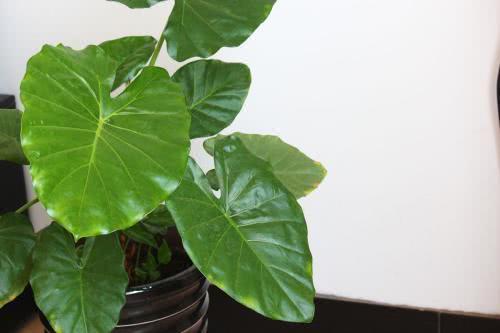
Many gardening enthusiasts have recently asked the same question, namely that between Alocasia (dumb cane) and taro, the edible and the ornamental must be clearly distinguished! Alocasia and taro are essentially different, so how can you grow them well?
Alocasia, which also goes by another name, hai yu (Alocasia), has strong medicinal value. It usually grows in warm and humid places. Because it receives plenty of water, the tips of the Alocasia leaves drip water, and the flowers of the Alocasia look very much like Guanyin, which is why it came to be called "dripping-water Guanyin."
Taro is a perennial tuberous plant belonging to the Araceae family. Taro likes a hot and humid environment, and its optimum temperature is usually above 25°C. If it encounters a dry season, poor development will occur.
Different characteristics: Alocasia is a toxic plant, and people often mistake it for edible taro and eat it. Most of the reported cases of taro poisoning today are caused by eating this plant. After consuming Alocasia, people experience extreme throat discomfort, and in severe cases swelling and pain in the throat can occur.
Taro is different: taro can be eaten by people as a food. Taro itself is extremely rich in nutrients, containing large amounts of starch and vitamins, and can provide people with a great deal of energy. In addition, taro also has ornamental value.
Different values: Alocasia can maintain the balance of carbon dioxide and oxygen and improve the climate of a small area. Applying Alocasia to gardens and other fields can also produce a good ornamental effect. Besides being ornamental, Alocasia also has medicinal value. When used medicinally, Alocasia can treat common diseases such as pulmonary tuberculosis, bronchitis and influenza. Because Alocasia itself is toxic, and the water it drips can also harm our skin, it should be used with caution.
The greatest value of taro is that it can be eaten, and eating taro has great nutritional value. Taro tastes excellent, is easy to digest and is non-toxic. Nowadays, a dish made with taro can be seen on everyone's dining table. It can be said that taro is a very good alkaline food, and it is often used for steaming and boiling.
The differences between Alocasia and taro come to an end here. If you still have any questions about this, you are welcome to comment in the comment section below, and the editor will answer them one by one and tell everyone everything he knows.