The pencil cactus (Euphorbia tirucalli) is toxic, are you still growing it?
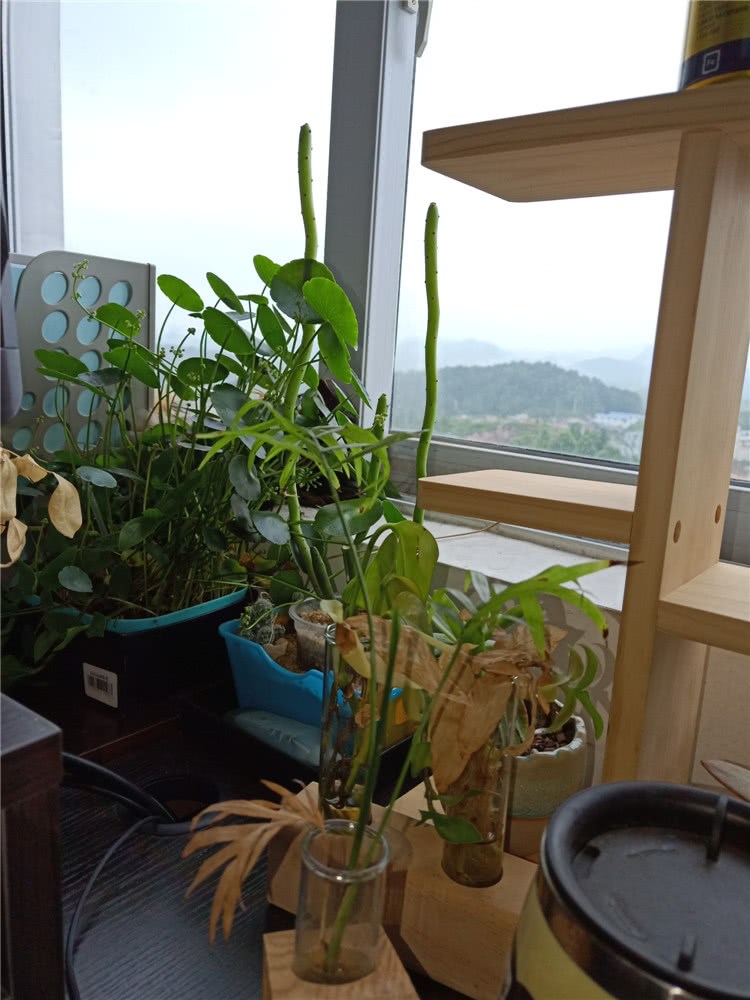
The white milky sap of the pencil cactus is highly toxic. The sap serves to resist attacks from viruses and pests, thereby protecting the plant body. When we grow and admire it, we must never let it get into our eyes, mouth, ears, nose or any wounds. If it accidentally gets in, take the person to hospital immediately.
Although the pencil cactus is toxic, its unique shape is very beautiful, and many flower lovers choose to grow it.
However, families with young children must never grow the pencil cactus. Children are especially curious and may easily eat it by mistake, which can be dangerous.
Caring for the pencil cactus is actually very simple; extensive care is enough. The pencil cactus likes warmth, is drought-tolerant, loves sufficient light, and can grow in poor soil.
In winter, reduce the frequency of watering appropriately, keep the potting soil slightly dry, and move it indoors in good time. Move it to an indoor spot where a temperature of 7°C to 10°C can be maintained. On warmer days, you can move it to the balcony at noon to bask in the sun, and still move it back indoors at night. Control the dryness and moisture of the potting soil. In winter, the potting soil should be kept mainly slightly dry.
The pencil cactus is propagated by cuttings. It is very simple: in spring or early summer (May-June), cut off stem sections for cuttings. When cutting the fleshy stems, the plant will exude a large amount of milky sap. Immediately spray the mother plant with water, and dip the cut surface of the cutting stem in water to stop the sap from continuing to flow out. Never let the exuded milky sap stick to your body.
The remaining branches generally will not sprout again, but there are exceptions.