Should meat be blanched in hot or cold water? No wonder the meat always turns out tough
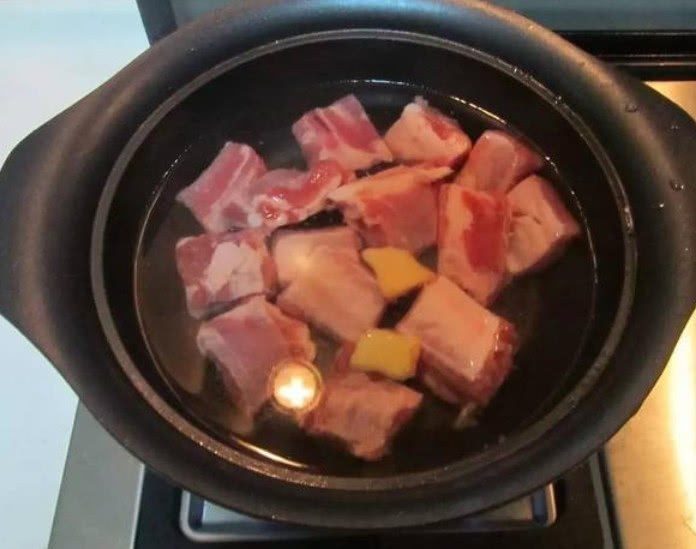
Whether we are stewing pork ribs or pork trotters, as long as there is meat involved, blanching is essential. But whether cold water or hot water is better for blanching affects whether the final dish tastes good. If you get one step wrong, the meat afterward will turn out tough, and then it will not taste good, and it will also lose the meat's original flavor
Blanching meat is meant to rinse away the blood foam inside the meat, remove the gamey smell, and preserve the meat's color, while also saving quite a bit of time for the cooking that follows. For pork and pork trotters that are going to be made into soup or braised, use cold water, so that all the impurities inside the meat can come out, and a large amount of white meat foam will appear on the surface of the water
When you blanch with cold water, the nutrients in the ingredients will not leach away, and the soup will also be very delicious. If you blanch with hot water, it will coagulate the protein inside the meat, so the soup made this way will not be fresh and tasty, and the outside of the meat will quickly turn pale and firm while the inside is still raw, which very easily affects the texture, so it is best to blanch with cold water