3 reasons for yellowing and dropping leaves on rubber plants - if you don't fix it soon, only bare branches will be left
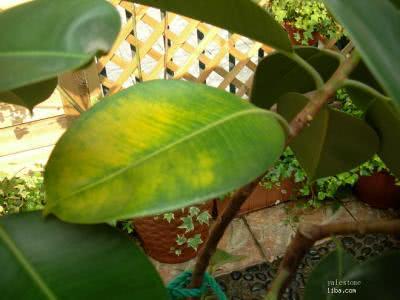
Rubber plant leaves are thick, large and glossy, with red new growth tips shaped like crouching clouds; it stays evergreen year-round and is an foliage plant with very high ornamental value. It also absorbs harmful gases such as formaldehyde and hydrogen fluoride, helping purify the air. It is a great potted plant for decorating the home and is deeply loved by many flower growers.
The rubber plant (Ficus elastica) is a relatively easy houseplant to care for, yet some growers report that its leaves develop yellow patches and even drop off. Today, Hua'er will introduce a few tips for caring for rubber plants.
When rubber plant leaves develop yellow patches and drop off, it is mostly caused by these 3 reasons:
1. Lighting problems
The rubber plant likes bright, indirect light and has decent shade tolerance. But if it stays in insufficient light for a long time, its leaves cannot carry out photosynthesis to form chlorophyll, so yellow patches naturally appear, and eventually the whole leaf turns yellow and drops off.
As summer arrives, sunlight becomes stronger and stronger, and it easily scorches the leaves, causing yellowing and burnt leaf edges. If the spot where it is placed gets too intense light, move it to a more shaded place for care.
2. Insufficient nutrients
During its growing season, the rubber plant grows very fast and needs a large amount of nutrients. When nutrients are insufficient, it stops growing, the leaves lose their gloss, and yellow patches and leaf drop also occur.
So during the growing season, it needs enough nutrients to grow. Fertilize mainly with nitrogen fertilizer, applying 2-3 times a month. You can also bury some crushed eggshell powder into the potting soil to provide sufficient nitrogen and promote better growth, making the leaves more glossy.
3. Normal aging
Some old leaves have slow metabolism and will gradually turn yellow and finally drop off. Such leaves easily carry pests and diseases, so they should be pruned off in time, otherwise they can easily infect healthy leaves. It should also be pruned irregularly, cutting off old leaves, damaged leaves and so on, to avoid excessive nutrient consumption and promote the sprouting and growth of new leaves.
That's all for rubber plant care. If growers have other additions, you can share them with everyone in the comments section below. To learn more about plant care, you can follow Huajianke!