A Detailed Guide to Carnation Planting Methods and Technical Key Points
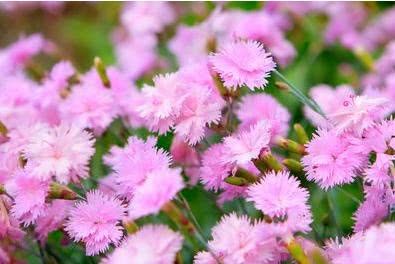
Carnations add lasting color, fragrance and texture to annual and perennial garden beds. Their clove-scented flowers appear in mid-spring, rising tall above the grass, with beautiful blooms topping the deep green foliage, finally fading away in early summer.
Growing Conditions
When planting carnations, full sun and fast-draining soil are key. Choose a growing site with a southern exposure and neutral to slightly alkaline soil. Clay or heavily compacted soil needs to be amended with 5 to 10 cm of compost, and the top 25 to 40 cm worked in to improve its texture, because poor drainage causes serious carnation root problems in winter. Plant the plants according to their mature spread, which ranges from 15 to 45 cm depending on the variety. Potted carnations need a large clay pot to ensure good root health, along with moderately fertile sterile potting soil.
Water Requirements
The water needs of carnations vary with their growing conditions. In the garden, if it does not rain, provide 2.5 cm of water per week, wetting the top 30 cm of soil. When growing carnations in the garden, some moisture must be maintained, but the soil must be allowed to dry below the surface between waterings to prevent crown rot and other problems. Apply a 5 cm layer of mulch around the base of the plants to conserve soil moisture, but do not let it touch or rest against the stems. Water potted carnations deeply and infrequently, saturating the soil until excess water drains from the pot, and let the surface dry before watering again.
Fertilizer Requirements
Carnations are light feeders that rarely need supplemental fertilizer. However, during the active growing season, potted specimens should be fertilized every two weeks to replenish their soil. Dissolve 1/2 teaspoon of a 10-10-10 analysis fertilizer in 4 liters of water, and use the solution to replace a watering every two weeks. Stop fertilizing in late summer to let the plants rest. Carnations grown in the yard do not need chemical fertilizer, but most benefit from a light application of fertilizer in spring. In spring, spread a 2 cm layer of compost around the base of the carnations, then mulch with a 5 cm layer as usual. This will make the flowers more abundant and more vivid!