How to grow jasmine so it blooms nonstop all year round
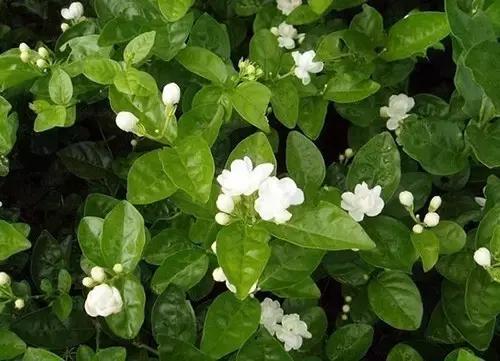
Jasmine is sun-tolerant and easy to grow, and under normal conditions it blooms at least three times a year. When jasmine blooms, the flowers are spotless white, the petals delicate and slightly curled, and the fragrance rich and intense, filling the whole room with sweetness. Although jasmine is easy to grow, quite a few gardening enthusiasts have never seen it bloom again since buying it. Today we will talk together about jasmine care and the secrets to making it bloom more.
If you want the jasmine at home to bloom more and bloom well, watering, light, pruning and fertilizing are each extremely important.
If you go too long without watering, the leaves will wilt and die; without enough light, jasmine will not bloom much and will not look lively; if the soil lacks fertility and you never fertilize, the flowers will be few and small and the plant will become weak.
And never pruning is a fatal threshold for jasmine blooming.
Many new gardening enthusiasts buy jasmine while it is in bloom, admire it beautifully at home for a few days, and after the flowers fade they water, fertilize and give it sun, yet they keep waiting in vain for jasmine to bloom a second time.
At this point, with just a little pruning, in less than a week jasmine can begin to push out new shoots and buds and form new flower buds.
So how should you prune jasmine so it blooms faster, more abundantly and more beautifully?
Over the course of a year, jasmine must be pruned at least three times:
1、Prune once in spring before jasmine sprouts, which can adjust the plant's shape and encourage more new branches to emerge;
2. During the winter dormant period, jasmine also needs one pruning, which helps it overwinter better and conserve strength for vigorous growth the following year;
3. Post-bloom pruning, at least once. Branches that have already bloomed will not grow flower buds again, so they must be cut off to prepare for the next bloom.
What we are talking about today is the third type:
pruning after blooming.
Post-bloom pruning should be done like this:
1. Cut off the spent flowers together with the thin branches below them, removing the old to make way for the new.
2. Remove some excess, withered and weak leaves to reduce unnecessary loss of nutrients.
3. Cut off leggy branches, which not only reduces nutrient consumption but also adjusts the plant's shape.
4. Cut off the tips of branches that do not bloom, leaving some old leaves, which can also encourage new branches.
For jasmine in summer, after these four pruning steps, within a week new branches will sprout and flower buds will form again, and you can just sit back and wait for the flowers to bloom and the fragrance to drift.
If you have jasmine at home that has bloomed only once this year, it is not too late now, so act quickly.
With the necessary pruning, plus careful care, making jasmine bloom in a full pot is not difficult.
Jasmine care:
1. During jasmine's growing period, the temperature should be somewhat high, staying between 25 and 30 degrees is more suitable.
2. Jasmine likes sunlight, and receiving at least three to four hours of sun a day will make it more lively. In summer, avoid the scorching sun at noon.
3. Watering depends on the potting soil, and keeping it consistently moist is very important. Lack of water will make it droopy, while with enough water the leaves will also grow larger.
Generally in summer, when temperatures are high and evaporation is fast, you need to water more, and you can water twice, morning and evening. If that is hard to judge, you can water thoroughly once the soil has dried out.
4. Jasmine's potting soil needs an appropriate amount of sand so that it does not become waterlogged and affect its health.
5. Besides being loose enough, the potting soil also needs to be fertile. Lack of fertility will definitely affect growth and blooming, so at this point fertilizing becomes especially important.
Fertilizing before and after blooming can be a little heavier, while at other times once every two weeks is enough, using light fertilizer applied frequently.
Chemical fertilizer is not recommended; rice-washing water and fish bone fertilizer are both fine.