Growing succulents with eggshells saves on fertilizer costs and keeps them thriving all year round
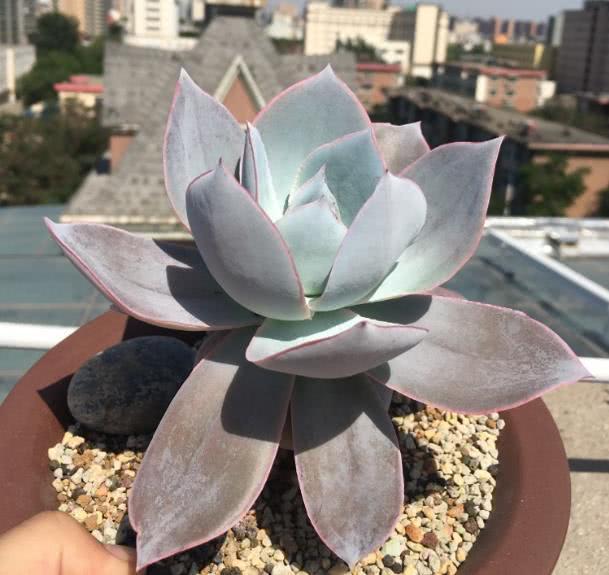
Fertilizing succulents is generally done during the growing season and the flowering period. During the growing season, apply light but frequent feedings, and choose fertilizer according to the needs of the succulent. During the flowering period of succulents, fertilizing generally starts when the flower stalk begins to grow, once every half month. If you want to control flowering, you can fertilize less or not at all. Where you apply it does not matter much. Base fertilizer is generally mixed into the soil when potting up; when top-dressing, granular fertilizer and organic fertilizer can be placed directly on the surface of the soil or buried in the soil, while liquid fertilizer is generally sprayed on the leaves or poured at the roots.
Eggshells at home are very useful. Whether raw eggshells or cooked eggshells, they can be added to compost, because their main nutrients will not be lost due to high temperatures. All you need to do is clean off the residue on the eggshells, wash them and dry them in the sun, then crush them into powder, and finally mix them into the composting materials, which can make the compost more nutrient-rich.
Eggshells contain a lot of calcium, a small amount of phosphorus, and other trace elements needed for plant growth, but if some friends use them improperly, eggshells become a breeding ground for insects. So how do you correctly turn eggshells into effective organic fertilizer, and are cooked or raw eggshells better? Actually, eggshells can be either raw or cooked; only the egg white and yolk inside differ between raw and cooked. Eggshells do not lose their components due to heating, and they still contain calcium and other trace elements.
Crushed eggshell fertilizer: crushing eggshells and burying them in flower pots is a very good fertilizer, which can make potted flowers grow luxuriantly with abundant leaves and bright flowers. Fermented rice washing water, plant ash and the like all contain nitrogen, phosphorus, and potassium, and are also good fertilizers for home gardening. When preparing them, clean the egg white out of the eggshells thoroughly, because if it is not cleaned properly it may cause rot, smell bad, or even breed maggots, especially in summer, so when using eggshells as containers, be sure to wash them clean.
Some flower lovers directly put eggshells into flower pots, and the result is either a bad smell or maggots. This practice is wrong, because the egg white left in the eggshells makes them very easy to rot. Put the small pieces into a drink bottle or bowl, crush the eggshells with chopsticks or a small stick, push aside the top layer of soil in the flower pot, bury the crushed eggshells in it, then cover them with soil and let them be slowly absorbed. The main component of eggshells is calcium carbonate, which can adjust the pH of the soil.
Flowering in succulents is an important life cycle, so whenever this time comes, all the tissues of the plant cooperate with this important act of reproducing offspring. In summary, succulents need more nutrients to support flowering and fruiting, and besides the accumulation in the earlier stage, they mostly need timely supplementation from the outside.
This is a gathering place for succulent lovers, sharing succulent care tips; welcome to follow and exchange ideas.