Gardenia hard to grow, won't bloom, and leaves turning yellow? Get this one step right and it will bloom nonstop
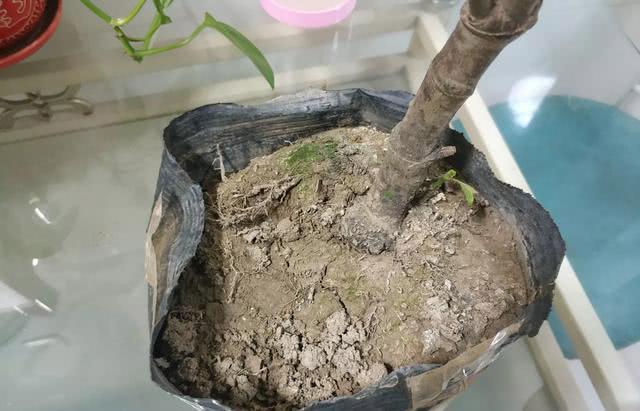
Why do gardenias bought from the flower shop so easily get yellow leaves once you bring them home? Let's take a look today. This newly bought gardenia clearly has very hard yellow mud soil, which is hard to water through, and even when watered through, it dries out very easily, so repotting is a must.
It is now summer, and the temperature is not very high yet, around 20°C, which is very suitable for the growth of gardenia, so this is a very suitable time to repot.
When repotting, you can soak the root ball in clean water to loosen it, that is, wash the roots when repotting; this way, the roots are less likely to be damaged during repotting.
For the potting soil, you can mix peat moss, perlite and vermiculite in a 4:1:1 ratio. Peat moss is rich in nutrients, perlite drains and aerates, and vermiculite absorbs and retains water. This mix makes the potting soil loose and airy, rich in nutrients, and very suitable for the growth of gardenia. If you have pine needle soil, you can add one part of pine needle soil to make the soil slightly acidic, because gardenia is a flower from the south and likes slightly acidic soil.
When potting, you can first put some broken bricks or large-particle expanded clay pebbles, coal cinders, etc. at the bottom of the pot so that excess water can drain out and there will be no waterlogging. First put one third of the soil in the pot, then hold the gardenia with one hand and slowly fill the pot with soil with the other hand. Do not let the roots bunch together; let them spread out loosely as much as possible, which is good for root growth.
After filling with soil, water thoroughly once, that is, the settling water, so that the roots and soil are tightly combined.
Prune the weak branches, dead branches and overly long branches of the gardenia to reduce nutrient consumption, then cover it with a plastic bag to retain moisture, poke a few holes in the bag, and place it in a ventilated place with scattered light to let it recover. After about a week, when new leaves start to grow, gradually open the plastic bag and let it slowly adapt to light.