Give a spider plant a spoonful of this nutrient solution, and it won't get yellow leaves or root rot, staying lush green all year round
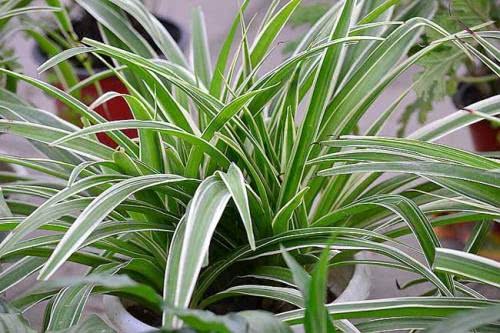
In summer, when temperatures are fairly high, many flower lovers keep some potted plants at home. They not only decorate the room, but also help regulate indoor humidity and lower the temperature, and they can purify the air as well. The spider plant (Chlorophytum comosum) is a very good potted plant and an excellent choice for the home. Whether grown in water or soil, hanging or in a pot, its ornamental value is especially high. But in the high-temperature summer season, spider plants are prone to yellow leaves and can even suffer root rot if you are not careful. So how should this be solved?
Today I will teach you a little trick; the pothos you grow with it will be superb. Spider plants like a warm, humid environment, but in summer they must not be exposed to direct sunlight, otherwise the leaf tips are easily scorched yellow. Spider plants are semi-shade-loving plants, and they can grow well even when the light conditions at home are not especially good.
Spider plants have fairly strong adaptability and are also fairly drought-tolerant. In summer their water demand is relatively high, but it must not be too much either. Generally, water only when the soil turns white; otherwise, too much watering will cause waterlogging in the pot. At first it makes the leaves turn yellow, and gradually it leads to root rot.
Spider plants fairly prefer loose, breathable soil with good drainage, so you should not directly use garden soil to grow them. It is best to use coal ash mixed with plant ash and garden soil to grow spider plants. This not only improves the soil's drainage and breathability, but also provides plenty of nutrients.
The spider plant is a foliage plant that is fairly tolerant of fertilizer. If fertilizer and water are insufficient, it easily becomes scorched and aged, with yellowing leaves, losing its ornamental value. We can use fermented and decomposed eggshells to grow spider plants, but they must be diluted with water before watering, otherwise it becomes a strong fertilizer that harms the spider plant. Apply it once every 10-15 days, and it can make the leaves bright and colorful. Normally, prune away the yellow leaves appropriately.
Flower lovers who like spider plants can try this little trick. If you have any other flower-growing experience, you can also share it with everyone in the comment box below!