Water clematis this way, and its roots won't rot and its leaves won't turn yellow - your balcony will burst into a sea of flowers
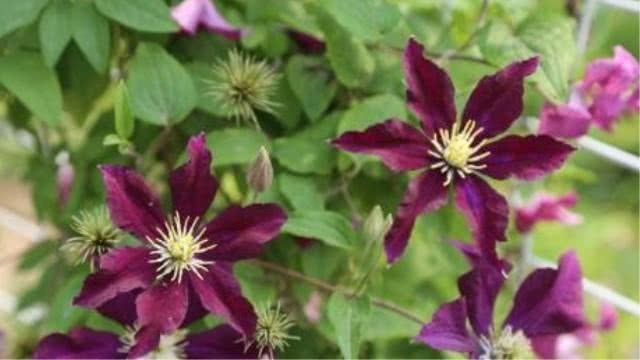
There are many reasons why clematis roots rot: if it is caused by too much watering, then you need to control the amount of water. If it is caused by soil that is not breathable, then loosen the soil appropriately, or replace it with loose, well-aerated soil. If it is caused by disease, then use medication promptly, cut off the rotted roots and disinfect them, and replant.
1. Water in moderation
Cause: Many flower growers water clematis very frequently, not realizing that too much watering will cause its leaves to wither, its roots to rot, and will also affect its normal growth.
Solution: Usually the amount of water should be controlled well, and there is no need to be too frequent; just keep the soil moist. In addition, during the rainy season you should provide appropriate shelter from the rain. If it gets rained on, take drainage measures promptly and do not let water accumulate in the potting soil.
2. Loosen the soil appropriately
Cause: If the soil it is planted in is not breathable, it cannot breathe normally. If this is combined with a large amount of watering and fertilizing, it will very easily lead to root rot.
Solution: Loosen the soil appropriately, or replace it with loose, well-aerated soil. Only when the soil is sufficiently breathable can clematis grow normally.
3. Prevent and control disease
Cause: A hot, humid environment easily breeds bacteria. If disease appears, clematis will be affected, the roots will be eroded and rot, and the leaves will turn yellow as well.
Solution: After discovering disease, use medication promptly, and clean away all infected stems. After root rot, take it out of the potting soil, cut off the rotted roots, and disinfect them to avoid secondary infection, then replant it in clean potting soil.