One leaf propagates ten pots of flowers, the leaf is bigger than the flower pot, filling a pot is easy
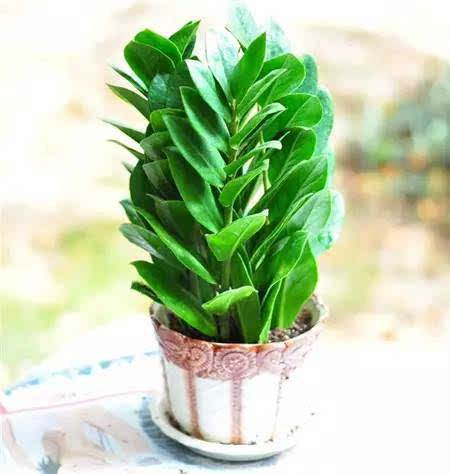
Many flower lovers, when caring for their flowers, always accidentally knock off the leaves, which naturally fall into the flower pot without much attention. However, recently when watering the flowers, a small sprout was discovered. Today the editor is going to teach everyone that by cuttings of plant leaves, you can get a pot of flowers!
ZZ Plant (Zamioculcas zamiifolia)
Cutting steps
1. Choose a vigorously growing ZZ plant, take a few leaves with good growth, note that when picking them you should keep the leaf stalk, then use carbendazim to disinfect the wound made when picking, and set aside;
2. Next, choose nutrient soil, which should be loose, fertile and well aerated, then insert the leaves for cuttings.
3. Indoors, a cool and ventilated environment is the most suitable place to put the flower pot. After about two months, roots will form.
4. When the leaves produce new leaves, they should be re-potted, and at the same time some nitrogen fertilizer or compound fertilizer can be applied to increase the nutrients in the soil.
5. When watering, note that you should water only after the soil has completely dried out; when the temperature is high, consider spraying some water. Once it has survived healthily, normal care can be resumed.
Snake Plant (Sansevieria)
Cutting steps
1. Choose and cut a section of snake plant leaf about 6CM long, preferably one that is growing vigorously, disinfect it with potassium permanganate solution, then place it in a cool place for a day, and set aside;
2. Using loose soil mixed with sand and gravel, insert it diagonally or straight down about 5 cm, and remember to water it thoroughly in one go at this time.
?3. Use an appropriate amount of water to keep the soil at suitable moisture, and avoid overwatering. Also remember that placing it indoors in a cool spot is most suitable, with good ventilation.
?4. After new sprouts grow, put it into a new pot, place it in a spot with good ventilation and diffused light, at which point you can water an appropriate amount, but it must be little. To avoid water accumulating in the pot and causing root rot.?
Kalanchoe (Kalanchoe blossfeldiana)
Cutting steps
1. Cut off kalanchoe leaves, preferably robustly growing ones, let them dry in a cool and ventilated place, and set aside;
2. Mix nutrient soil, coconut coir soil and perlite in a ratio of 5:3:2;
3. Then insert the leaves into the flower pot, water the soil thoroughly in one go, and care for them indoors in diffused light;
4. After sprouting, do not overwater, otherwise the stems and leaves are prone to rot.
Epiphyllum (Epiphyllum oxypetalum)
Cutting steps
1. Tips for cutting leaves: it is best to use old leaves of more than two years, about twenty centimeters is optimal, and place them in a cool place. The larger the wound area of the cut leaf, the easier it is to take root and grow.
2. Leaf planting method: insert it shallowly or diagonally in garden soil mixed with sand, with a depth of about two centimeters being best. As shown in the picture:
3. After successful cutting, to keep the soil slightly moist, watering about twice a week is most suitable. Wait patiently for one month, and then it will take root and slowly grow
3. After half a month, pot it up, and when potting bring along the soil around the leaf, to minimize damage to the root system.
Sedum succulents
Cutting steps
1. Choose Sedum succulents with a relatively high success rate;
Choose healthy growing leaves, keep the growth point near the base of the leaf, gently remove the leaf, and place it in diffused light to dry
2. Prepare the flower pot and mix the soil. Mix peat, vermiculite, rice husk ash and perlite in a ratio of 1:2:1:1, and at the same time note the soil moisture retention;
3. Planting method: lay flat or insert diagonally, with a suitable depth, just stable enough. Place it in diffused light;
4. Before the plant has sprouted, watering is absolutely not allowed; you can use a spray bottle to spray water into the air to keep it moist. After it grows normally, it can be moved to a pot, and at the same time water a small amount, not too much.
Have you learned the flower-growing methods described above? Hurry up and take action!