How to fertilize roses at each growth stage? Master the key points for large, vividly colored blooms
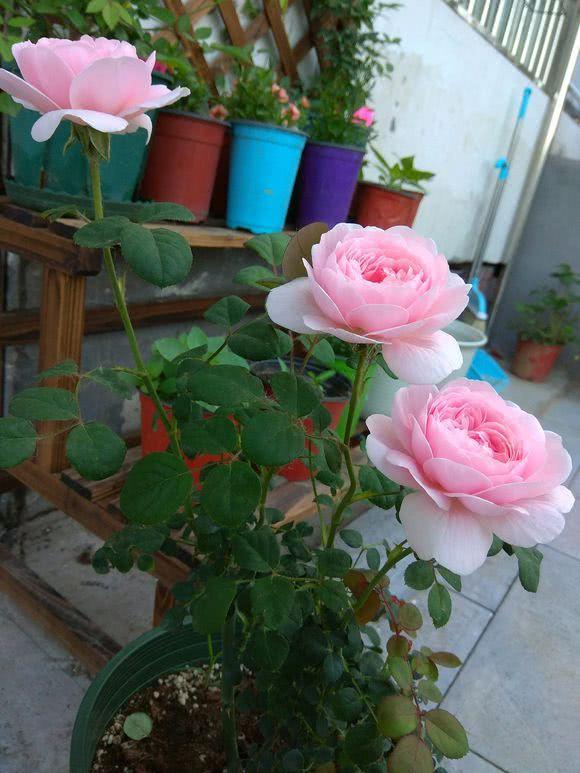
Roses have large, vividly colored blooms and are loved by many flower growers, but roses with a large flowering volume and frequent cycles need external fertilizer to ensure a nutrient supply in addition to absorbing nutrients from the nutrient soil. So exactly how should you fertilize them? Rose seedlings at different growth stages need different fertilization methods. Let's look at the specific fertilization methods.
Seedling stage
Rose seedlings have relatively weak resistance in the seedling stage. Right after potting, basically no fertilization is needed, and after the plant has settled in, the amount of fertilizer should also be reduced. You can appropriately use fertilizer containing urea, which can promote the growth of small seedlings. To help roses take root quickly, you can use some rooting powder to help the seedlings grow, while also supplementing with organic fertilizer rich in nitrogen, phosphorus and potassium, diluted with water and poured together. It is absorbed well and the seedlings grow fast.
Growth stage
After the seedling stage, the rose root system is basically stable, and this is exactly a good period of rapid growth. To prepare the roses for flowering, you can use an ecologically safe organic fertilizer once a week, rich and balanced in nitrogen, phosphorus and potassium, with various organic matter, minerals and amino acids added, to promote the plant to grow vigorously, bloom more, and bloom abundantly.
For fertilizer, it is still recommended to use organic fertilizer, the kind fermented purely from plants, with relatively rich and balanced nitrogen, phosphorus and potassium content. It is also natural and non-irritating, very suitable for the growth of roses, and can also regulate the plant's internal environment and promote abundant blooming in roses.
Bud stage
After rose buds appear, you need to care for them even more carefully. At this time, sufficient nutrients need to be supplemented to promote normal flowering of the roses. You can use an ecologically safe organic nutrient solution once a week, and at the same time spray some agents that enhance the roses' resistance, to avoid the occurrence of pests and diseases. During the coloring period of the buds, nutrients must be sufficient, otherwise it is easy to make the flower color dull and the blooming insufficient.
Post-bloom stage
After the roses fade, the demand for fertilizer decreases. At this time, you can stop fertilizing for 1-2 weeks, and then continue fertilizing, waiting for the arrival of the next flowering period. Nitrogen fertilizer must be sufficient, which helps new buds sprout.
Dormant stage
Roses easily enter the dormant stage in summer and winter. At this time, if they are hardly growing, either do not fertilize or use very dilute fertilizer, and water on time to maintain soil moisture, letting the roses store up well and prepare for flowering in the next season.