How to prune Gloxinia branches and leaves? Detailed pruning methods
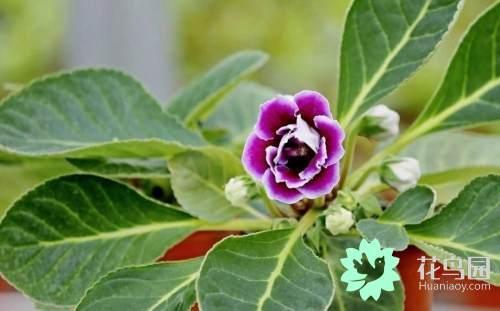
When it comes to pruning plants, one very important point is choosing the right timing. Generally, we judge based on the plant's growth stage, but each plant's growth habits and the division of its growth stages are different, soGloxiniahow should it be pruned?
1. Pruning Gloxinia before flowering
Generally, before Gloxinia blooms, prune the branches and buds by pinching.
Pinching means removing the topmost flowering shoot to encourage more side branches to grow, so that more flowers can bloom.
Pinching should be done early rather than late. Early pinching helps the plant take shape and bloom sooner. After pinching, select 2-3 new shoots of similar height and suitable position to keep, ensuring the flowers open smoothly.
2. Pruning Gloxinia during flowering
After Gloxinia blooms, if the leaves around the flowers hinder the normal growth of the flowers, you can, according to the actual situation and needs, cut off some leaves entirely or cut half of the leaves off.
Pruning the leaves this way allows the flowers to concentrate and open all together at the top of the plant, forming a bouquet and creating a better ornamental effect.
After pruning,Gloxiniacan produce up to 18 flowers at one time. Among them, a Gloxinia grown in a flowerpot with a diameter of 12 cm, with a plant height not exceeding 15 cm and only 2 branches, can simultaneously produce 16 flowers, a rich cluster of blooms, very beautiful.
3. Pruning Gloxinia after flowering
After flowering, if the growing medium is fertile and management is proper, it will produce a second batch of buds.
After Gloxinia finishes flowering, if you do not need to save seeds, it is best to cut off the flower stems to control nutrient loss, which helps continued flowering and the growth and development of the tubers.
After flowering, when winter arrives, keep the tubers of Gloxinia, select a section of leafless stem, about 3-4 cm long, and store it in sand promptly, keeping the temperature no lower than 5°C.
During overwintering, the sand must not be too wet, otherwise the tubers will rot. If the sand is too dry, spray an appropriate amount of clean water to prevent the stem tubers from shriveling. When spring comes and flowers bloom, the tubers of Gloxinia sprout, and you can select and keep new shoots as needed, entering a new round of care and pruning.