Planting methods and key technical points for hosta
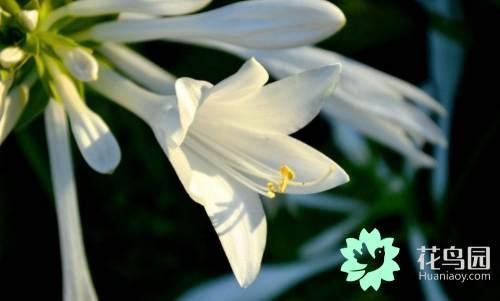
Hostais a fairly common flowering plant in China, and almost everyone who has seen a hosta praises it for being pure white and beautiful. In addition, this plant also gives off a rich fragrance that can be smelled from far away. And besides its extremely high ornamental value, the whole plant can also be used as medicine, so it is very good to be able to grow a pot of it at home. Now follow the editor to learn about its cultivation methods.
Cultivation methods
1. Soil: Hosta is not fussy about soil, but it grows better in moist, fertile, well-drained sandy loam.
2. Watering: During the growing period of hosta, it is best to keep the soil moist at all times. If watered too much, it easily causes root rot and yellowing leaves. In summer, the water supply must be sufficient. When the air is dry, spray water on the leaves every day to prevent the leaves from drying out.
3. Sunlight: Hosta dislikes scorching sun exposure, so it is best to plant it on the shady side of a building or under the shade of a large tree, or in other places where sunlight cannot shine directly.
4. Temperature:Hostais vigorous and cold-tolerant. Move it indoors at the end of November, and the room temperature should preferably be above freezing.
5. Fertilizing: Start fertilizing hosta in early May, applying a thin liquid fertilizer about once a month. In July-August it can be slightly more concentrated, and stop fertilizing after late September. After each fertilization, water and loosen the soil promptly to help keep the soil loose and aerated.
Precautions
1. Pest and disease control
In summer, prevent damage from snails and slugs, and pay attention to timely spraying of relevant pesticides on hosta.
2. Choice of planting site
Because hosta prefers shade, it is suitable to plant it under trees, on the north side of buildings, or in sheltered places without direct sunlight. Never plant it in a sunny spot.
What to do if hosta roots rot
1. In terms of care
Water moderately and at the right time. Wait until the soil is dry before watering, and water thoroughly, but avoid water accumulation. In summer, watering can be increased appropriately. Before planting hosta, disinfect the soil, and usually remove dead branches and fallen leaves and so on, giving it a good growing environment.
2. Remove the plant and change the soil
Take thehostaout of the pot, remove the rotted parts of the roots, put it in a shady place to dry, and then you can directly change the soil. It is best to use a mix of potting soil and sandy soil, which has good drainage and can also retain nutrients.
3. Medication treatment
In summer or when the growing environment of hosta is relatively humid, spray it with a chemical agent; just spray a fungicide, once every two months. Because spraying a fungicide after the plant's roots have already rotted is too late, so spraying in advance like this is preferable.
Propagation methods for hosta
1. Taking roots and dividing offsets
The best season for division is April-May or October-November each year. Once the leaves turn yellow and withered, it can be divided. Take out the hosta, remove the soil from the roots, cut the rhizome into sections, keeping at least 2-3 buds per section, and be careful to keep the root system, so it is easy to survive.
2. Planting divisions into pots
Put the prepared growing medium into the pot, and be sure to place it in order, coarse first and then fine. Bury the divided rhizomes into the soil. Plant 1-2 plants per pot, not too densely, otherwise flowering will be affected. After planting, water lightly and place it in the light.