Should all the old soil be removed when repotting plants? A reasonable choice determines later growth
When growing flowers at home, you need to repot them regularly. Because after a while the nutrients in the potting soil run out, or the plant has grown large enough or has stopped growing, so it must be repotted. Then here comes the question: when repotting it, should all the original soil be removed?
When repotting a plant, the old potting soil can be completely removed, or it can be left partly in place. Why do I say that? If you remove all the potting soil, it will inevitably severely damage its roots. If you are an experienced flower grower, the potting soil can be completely removed. Removing all the old potting soil will severely damage the roots, and damaged roots inevitably need a recovery period. If you do not handle it well and the plant fails to recover, the whole plant will die.
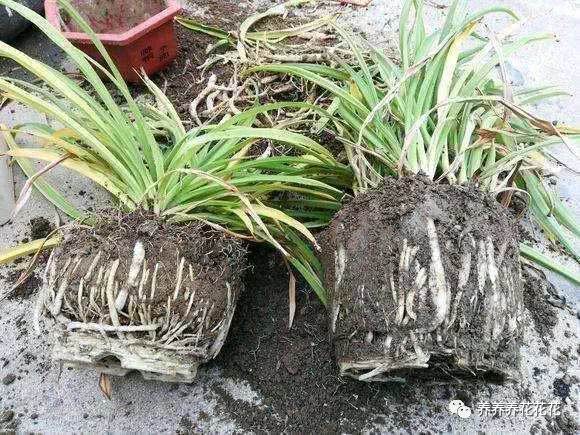
If you are moving a small pot into a larger pot, the potting soil does not need to be removed. This way its roots are not damaged, and after repotting you can water it directly and care for it normally. No recovery period is needed, so this method is quite good. Because many plants have very developed root systems. When you repot them, their potting soil is basically gone. The inside is all roots. At this time you can properly prune off part of the root system and repot it with some soil. Because part of the soil is still retained, the recovery period will be shorter, and it is also easier for the plant to recover successfully, so choosing according to your plant's situation is best.
Of course, when you repot plants with fleshy roots, such as orchids, clivias and the like, their root volume is limited, and they all have thick fleshy roots. When repotting, the original soil should be completely removed. When changing the soil, the roots are not easily damaged, and you can also check for rotting roots. Removing the original soil and planting with new soil allows rapid growth without damaging the roots, which is the best.
If you have watched Xiao Qi's videos before, Xiao Qi repots jasmine, gardenia, and fuchsia by removing all the original soil, because the original soil no longer has nutrients. Xiao Qi can also make sure they recover successfully, so I remove all the soil. Recovery takes time, but after successful recovery, the soil is new soil. With sufficient nutrients, later growth will be very fast. This is also why every time I repot, I remove all the original soil, but there is one thing: you must feel confident that the plant will recover successfully before you can try it.
Xiao Qi likes growing flowers and updates flower-growing videos and knowledge every day. If you also like growing flowers, follow Xiao Qi and help share and support. Xiao Qi thanks everyone here!
If you like growing flowers, followWeChat public account: Yang Yang Yang Hua Hua Hua (hcqzj521)More flower-growing knowledge is waiting for you