These three common potted flowering plants look beautiful and fresh, but they are actually all toxic.
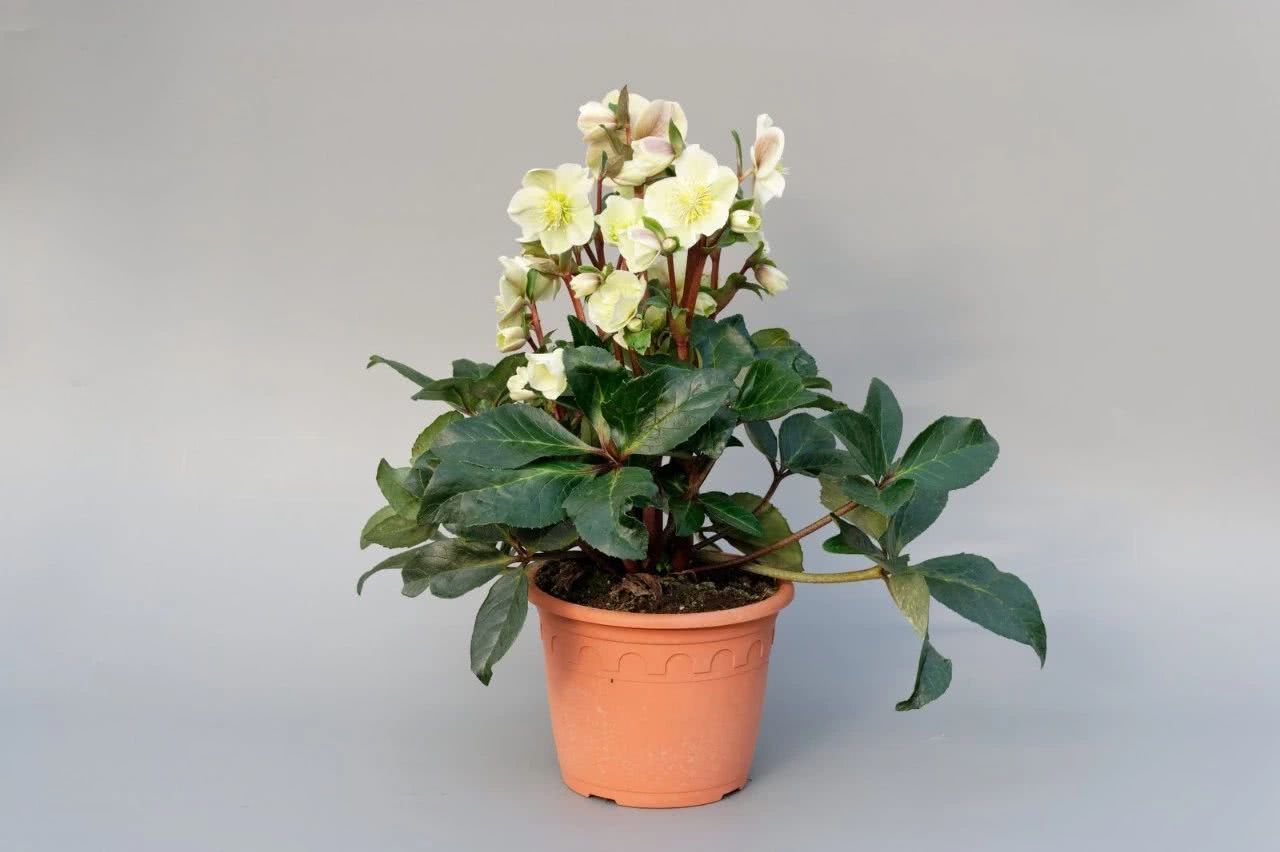
The three toxic plants introduced below are hellebore, oleander and periwinkle. They are all ornamental flowers growing around us, and their flowers and leaves look very fresh and beautiful, but children or pets must be kept from touching them to avoid poisoning.
Touching the three plants below will not cause poisoning, but accidentally eating them or touching their sap can be very harmful, and in serious cases it can even cause illness.
1. Hellebore
There are many varieties of hellebore. It is very ornamental, adapts well to the environment, and also has good cold tolerance. The best-known varieties include Helleborus niger, Christmas rose and black hellebore. They are all easy to grow and can grow in cool and cold environments.
Like most plants in the buttercup family, these hellebores contain a harmful toxin. If eaten by mistake, it can easily cause vomiting, and in serious cases it can be fatal. Some varieties were once used to treat pinworm disease in children by inducing vomiting to expel the worms, but improper dosage can be harmful.
The sap and seeds of hellebore are toxic. When collecting seeds, be sure to wait until the seed pods are dry. Touching the sap by mistake can easily cause poisoning, and contact with the hands can easily make them turn black, looking as if they have been burned.
When you find seed pods, be sure not to rush to collect them, especially before the seed pods have dried. If your fingers accidentally touch the sap, it can easily cause finger pain and a stinging sensation, and in serious cases it can cause dizziness.
If you accidentally touch the sap, be sure to rinse it promptly with plenty of clean water, and then see a doctor promptly. When handling these ornamental plants in daily life, be especially careful and do not touch them casually.
Hellebore is a plant that blooms in winter and spring, and the flowering period can last more than 3 months. For example, the common Christmas rose and hellebore, that is, the common Helleborus niger, have relatively short plants, though there are also slightly taller varieties that can grow to more than 1 m tall.
They are easy to grow and can also self-seed and reproduce. The seeds can be collected after the seed pods wither, and gloves must be worn.
The location for caring for hellebore can remain cool or have appropriate scattered light. The growing environment should avoid direct sun exposure. It can still bloom when it is cold in winter. If the temperature is too low, it will wither, and it can sprout again when it warms up the following spring.
2. Oleander (oleander, oleander)
Oleander is the best-known ornamental plant, and it is also a dangerous toxic plant. The entire plant is toxic, and even the water at the base of the cut stems and roots can be toxic.
Although oleander is toxic, it can be used as medicine to make treatments for various cardiovascular system conditions.
If the sap is touched by mistake, it can easily cause poisoning, and in serious cases it can lead to abdominal pain, vomiting, diarrhea, dizziness and arrhythmia. Accidental skin contact can easily cause inflammation, blistering and soreness.
The toxicity of oleander is beyond doubt. Even after bees collect its nectar, the honey they make is toxic.
It is said that the toxin of oleander will continue to exist after burning, and food cooked over a fire made with oleander wood must not be eaten.
Caring for oleander is relatively simple. It likes a warm and humid environment year-round. The growing environment needs loose, well-drained soil and appropriate light.
3. Periwinkle
The common periwinkle in daily life can be seen along various green belts in the south. It is a plant that likes a warm and humid environment year-round. It is a relatively mildly toxic plant, and its leaves are very similar to those of oleander.
Periwinkle has bright, clean leaves and flowers. The flower shape is a small star-shaped flower, and the flower colors are rich, including the common pink, red, purple and white.
Periwinkle is a plant that is especially easy to grow. The plant is low-growing and grows well in places that are warm year-round and have plenty of light. It can also grow under tree shade and spreads easily. Only when summer temperatures are high does it need regular watering.
Periwinkle is a close relative of oleander, but its toxicity is much lower than that of oleander. Still, it must not be eaten by mistake, as it can easily cause mild abdominal pain, and in serious cases it can lead to some heart complications.
Periwinkle is also a plant that can be used as medicine. The drugs made from it can be used to treat high blood pressure, but if the dosage is not well controlled, it can easily cause abnormal blood pressure.
There are many toxic plants around us. The most common household plants, such as Monstera deliciosa, Alocasia, and evergreen, are all toxic. If there are children or pets at home, they must be kept from touching or eating them by mistake.
Other common toxic plants in daily life include holly, oleander, ivy, narcissus, foxglove, hydrangea, poinsettia and spurge, among others.
The purple-flowered periwinkle is a relatively rare variety.
Understanding these toxic plants can not only help you avoid accidentally touching the sap when planting them, but most importantly help avoid children or pets eating or touching them by mistake.