What to Do When Anthurium Leaves Turn Yellow, Develop scorched edges and Dry Up? Cause Analysis and Treatment Methods
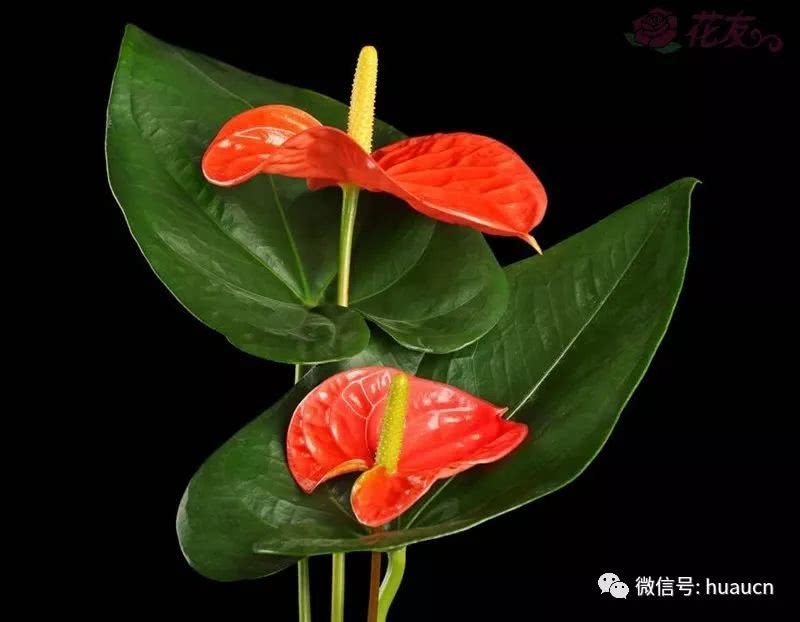
Anthurium, also known as flamingo flower or painter's palette, is a perennial evergreen herb native to the tropical rainforest regions of South America. Friends who enjoy growing anthuriums will more or less encounter various situations such as yellowing leaves with scorched edges and drying up, rotten leaves, and so on, which indeed adds a bit of worry for flower enthusiasts. How can such problems be solved? Flower Friend Jun will analyze the specific causes and prevention methods for everyone below.
I. What is going on when anthurium leaves turn yellow with scorched edges and dry up?
1. In the first case, if both old leaves and new leaves turn yellow at the same time, the main cause is long-term lack of light.
Flower Growing: Six Flowers with Extremely Long Blooming Periods That Are Very Easy to Grow
Solution: Appropriately increase light exposure.
2. In the second case, old leaves turn yellow, mainly due to long-term lack of water or watering that does not soak through.
Solution: Water thoroughly every time.
3. In the third case, if new leaves turn yellow but old leaves remain normal, it indicates that the amount of watering is too much, or there is a lack of fertilizer.
Solution: Control watering, or apply additional fertilizer.
II. Prevention
First, cut off the yellowed leaves, place the plant in a cool place, and wait until the water is almost dry before watering again. Do not rush to fertilize. There may be two situations: one is that the air humidity is too low, that is, it is too dry; the other is a lack of trace mineral elements.
Actually, it is about controlling temperature and humidity well, letting it get some morning and evening sun, and fertilizing appropriately.
When anthurium shows symptoms of yellowing, drying, and rotting leaves, it may also be caused by bacteria. To eliminate bacteria, spray a 0.3% solution of garlic juice, a 0.2% solution of vinegar, or fungicides such as carbendazim or chlorothalonil at 800-1000 times dilution for prevention and treatment.
Flower Growing: Diagnosis and Treatment of Seven Major Nutrient Deficiencies in Flowers
Indoor anthurium care should be managed in a semi-shaded, moist, and warm environment. The best temperature is between 20°C-25°C, and it must not exceed 33°C, otherwise uncomfortable symptoms are likely to appear. Air humidity must be between 75%-90%; below 50%, leaves are prone to scorched edges and drying up.
When anthurium leaves turn yellow with scorched edges and dry up, first cut off the yellowed leaves, place the plant in a cool place, and wait until the water is almost dry before watering again. Do not rush to fertilize. There may be two situations: one is that the air humidity is too low, that is, it is too dry; the other is a lack of trace mineral elements. Control temperature and humidity well, let it get some morning and evening sun, and fertilize appropriately.
When anthurium shows symptoms of yellowing, drying, and rotting leaves, it is caused by bacteria. To eliminate bacteria, spray a 0.3% solution of garlic juice, a 0.2% solution of vinegar, or fungicides such as carbendazim or chlorothalonil at 800-1000 times dilution for prevention and treatment. But this cannot solve the fundamental problem, because these symptoms in anthurium occur due to an unsuitable care environment. Anthurium should be managed in a semi-shaded, moist, and warm environment. The best temperature is between 20-25°C, and it must not exceed 33°C, otherwise uncomfortable symptoms are likely to appear. Air humidity must be between 75-90%; below 50%, leaves are prone to scorched edges and drying up.
Anthurium leaves very easily turn yellow, so more attention should be paid to care. To care for it well, it is necessary to clearly understand the causes of leaf yellowing and rescue methods. This article compiles some information about anthurium leaf yellowing and rescue methods, and shares it here with potted plant enthusiasts who enjoy growing them, hoping it can help everyone.
III. Analysis of Causes of Anthurium Leaf Yellowing and Treatment Methods
1. Overwatering causes anthurium leaves to turn yellow (water yellowing)
When anthurium's new leaves turn yellow and old leaves remain normal, this situation is generally caused by watering too much and too frequently, which makes the potting medium remain too wet for a long time, or even waterlogged, causing some fibrous roots to rot, hindering normal respiration and nutrient absorption, and causing leaves to gradually turn yellow and fall off.
Solution: We should pay attention to weather conditions and anthurium's habits when watering.
2. Unsuitable soil causes anthurium leaves to turn yellow (scorch yellowing)
Most areas in the north have relatively high salinity and alkalinity in the medium and water. Due to the lack of soluble iron elements that the plant needs to absorb in the medium, the leaves will gradually lose green color and turn yellow.
Hydroponics: Common Knowledge and Precautions for Changing Water in Hydroponic Plants
Solution: Use oxalic acid and similar substances to treat the medium and water used for watering flowers.
3. Dry air causes anthurium leaves to turn yellow
In winter, when indoor air is excessively dry when growing flowers, symptoms often appear such as dry and yellow leaf tips, scorched leaf margins, or scorched spots and curled edges on leaves.
Solution: According to anthurium's growth characteristics, appropriately increase air humidity.
4. Insufficient sunlight causes anthurium leaves to turn yellow (light-deficiency yellowing)
If anthurium is placed in a shaded area or a place with insufficient light for a long time, it will lead to weak growth, thin and yellow leaves, and no flowering or very little flowering.
Solution: According to anthurium's growth characteristics, appropriately increase light intensity.
5. Too-low temperature causes anthurium leaves to turn yellow
If the indoor temperature is too low in winter, the leaves will turn yellow; if the room temperature is too high, the plant transpires excessively, and the roots cannot supply enough water and nutrients, which will also cause the leaves to turn yellow.
Solution: Keep the temperature in the greenhouse relatively stable.
6. Lack of fertilizer causes anthurium leaves to turn yellow (fertilizer yellowing)
Too little fertilization, or not repotting or changing soil for a long time, leads to a lack of nutrients such as nitrogen in the soil, causing branches and leaves to become weak, and leaves to be thin and yellow. In addition, excessive fertilization can also cause new leaves to become thick and uneven, while old leaves dry at the tips and turn scorched yellow and fall off.
Solution: Immediately stop fertilizing, increase watering, and remove part of the old soil, replace it with new potting soil, and carry out normal management.
7. Pests and diseases cause anthurium leaves to turn yellow
Such as yellow spot disease and leaf blight.
Solution: Spray the whole plant with carbendazim wettable powder at 800 times dilution; among pests, there are red spiders and scale insects, which can be controlled with specific insecticides, or wiped off with a cloth and rinsed clean with water.
·END·
An interactive platform for flower growing, flower planting, and green plant enthusiasts to communicate, show off, and be playful. An online home for sharing flower cultivation methods and home flower-growing tips. A fresh flower subscription platform.
Fresh Flowers: Hyacinth|Stock|Plum Blossom|Carnation|Camellia|Kalanchoe|Jasmine|Gardenia|Peach Blossom|Balloon Flower|Osmanthus|Calla Lily|Lily|Forget-me-not|Clivia|Apricot Blossom|Honeysuckle|Champaca|Peony|Sunflower|Chrysanthemum|Spiraea|Crown of Thorns|Tulip|Narcissus
Green Plants: Poinsettia|Money Tree|Pothos|Spider Plant|Alocasia|Lucky Bamboo|Asparagus Fern|Aloe|Ivy|Anthurium|Monstera|Bougainvillea|Silk Tree|Peace Lily|Schefflera|Boxwood|Sago Palm|Rubber Plant|Maidenhair Fern|Snake Plant|
huau.cn
……
Search the public account "Flower Friends" or "huaucn" to get the latest information
Business cooperation, promotion. Please contact WeChat private ID:ihuaucn