Peach fruit cracking causes big losses: pay attention to these points to avoid fruit cracking
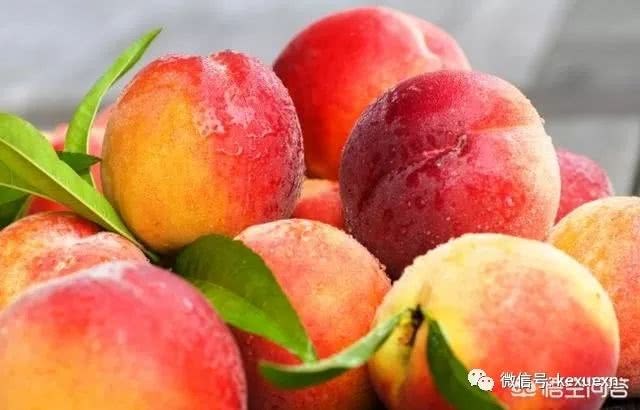
Everyone has heard the idiom "crooked melons and cracked jujubes" - fruit is also judged by its looks, so preventing peach cracking still requires growers' attention. Although when buying peaches in the past, my mother would say cracked peaches are very sweet, nowadays everyone pays more attention to looks. Here, Xiaonong will talk with you about how to prevent and control peach cracking.
1. Causes of peach cracking
To prevent and control peach cracking, the most critical thing is to find out where the causes of peach cracking lie. That way we can know ourselves and the enemy, and win every battle!
Growing environment factors The main cause of peach cracking is changes in the weather; generally, cracked peaches mostly occur on late-maturing peach trees. In the early growth period of this type of peach, water supply cannot keep up, the weather is dry, evaporation is high, and the peaches do not expand well. In the late stage of maturity, rainfall increases, the peach tree absorbs water rapidly in greater amounts, causing the fruit to have too much water, which triggers fruit cracking.
Variety issues Actually, peach cracking is not caused by disease; it is mostly due to natural ripening, and such peaches taste even sweeter. I remember that when I was little, there was a kind of peach that would crack, and my mother liked to buy them because the taste was better.
Improper fertilization After peach trees set fruit, fertilization should be reasonable and management strengthened. If the orchard has a relatively high nitrogen fertilizer content but lacks elements such as potassium, phosphorus and boron, fruit cracking is also more likely to occur.
Also, if the soil is relatively clayey, fruit cracking is also more likely to occur.
2. How to prevent and control fruit cracking
Improving the soil It was mentioned above that peaches grown in relatively clayey soil are more prone to fruit cracking, so before establishing an orchard it is best to choose a place with sandy soil, and do not establish an orchard in areas with standing water or clayey soil.
Reasonable fertilization After peach trees set fruit, more organic fertilizer should be used. Generally, 3,000 kg of organic fertilizer can be used per mu of orchard, and then compound fertilizer should be used, avoiding the situation of using only nitrogen fertilizer. At the same time, pay attention to supplementing calcium fertilizer. Usually, fertilizer can also be applied together as a foliar spray. Starting two weeks after the peach trees drop their flowers, spray 0.3% amino acid calcium on the leaves, about once every half a month, for 2 to 3 times in a row.
Reasonable irrigation During the peach expansion period, encountering early drought and later excessive rain makes fruit cracking very likely. Therefore, reasonable irrigation work in the orchard must be done well. When drought occurs, avoid flood irrigation and instead use methods such as small-water spraying, so that water slowly enters the soil. Usually maintain reasonable soil moisture so the fruit expands properly. When heavy rain occurs, drain water promptly to avoid standing water in the orchard.