Do you know the growing habits of these plants? Water them like this in summer and they will fill their pots in no time
In summer the temperature is too high, and watering plants becomes a big problem, because plants differ in variety and habits, and watering is different too. So how should plants be watered?
1. Water-loving plants
When it comes to water-loving plants, they are definitely the key plants to look after in summer. First we need to determine which plants are water-loving. These plants certainly prefer a humid environment, and in summer our watering frequency definitely needs to be a bit higher.
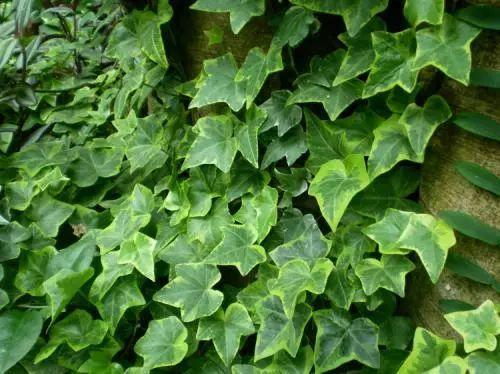
Common plants:Lucky bamboo, ivy, pothos, jasmine, azalea, Chinese rose, Monstera deliciosa, osmanthus, pennywort, etc.
Watering time:Water when the soil becomes shallow or turns white, or when the leaves wilt. If the color is dark brown, no watering is needed. Never water at high noon in high temperatures; cold water will damage the roots and cause insufficient water supply to the leaves.
2. Sun-loving plants
Sun-loving plants are, of course, those that grow better the more sun they get, mostly flowering plants that need photosynthesis. These plants generally do not need watering too frequently; just water them when the soil is dry and let it dry out between waterings.
Common plants:Sunflower, sago palm, coleus, moss rose, geranium, zinnia, scarlet sage, etc.
Watering time:If the soil is powdery, watering is needed; if the soil is crumbly, no watering is needed. Or lift the flower pot and test the feel; if it is light, it needs watering. Be sure to water thoroughly.
3. Semi-shade plants
Semi-shade, semi-sun plants are those that do not particularly like sunlight, nor particularly like the cold. Generally they do not need watering too frequently; watering about once a week is enough. In summer, when the sun is stronger, pay attention to shading. If the air is relatively dry, you can also mist the leaves.
Common plants:Bougainvillea, Schefflera octophylla, mint, Peperomia tetraphylla, Massangeana, etc.
Watering time:Tap the middle of the flower pot with a finger or a small wooden stick and judge by the sound, or judge by weighing the flower pot. If the sound is crisp, watering is needed; otherwise, no watering is needed. Focus watering on the soil at the roots, and mist the leaves appropriately.
4. Plants with fleshy root systems
Plants with fleshy root systems generally have thicker roots and store some water themselves, so they are very afraid of waterlogging. Therefore, do not water too frequently; otherwise the roots cannot absorb the water and root rot will result. If you feel the air is relatively dry, you can also mist the leaves or increase air humidity, which can also prevent the leaf tips from drying out and turning yellow.
Common plants:Spider plant, clivia, orchid, Aptenia cordifolia, Zamioculcas zamiifolia, etc.
Watering time:Do not water frequently. Observe whether the potting soil is dry, and it is best to add water when the surface soil becomes slightly dry.
5. Plants with underdeveloped root systems
For plants with a relatively poor ability to absorb water through their roots, never water frequently, because watering heavily will cause waterlogging and root rot!
Common plants:Money tree, Radermachera sinica, etc.
Watering time:Watering about twice a month is enough. If you feel it is dry, you can mist the leaves.