Learn these care methods during the succulent acclimation period, and no matter how long you grow them, the roots will never rot
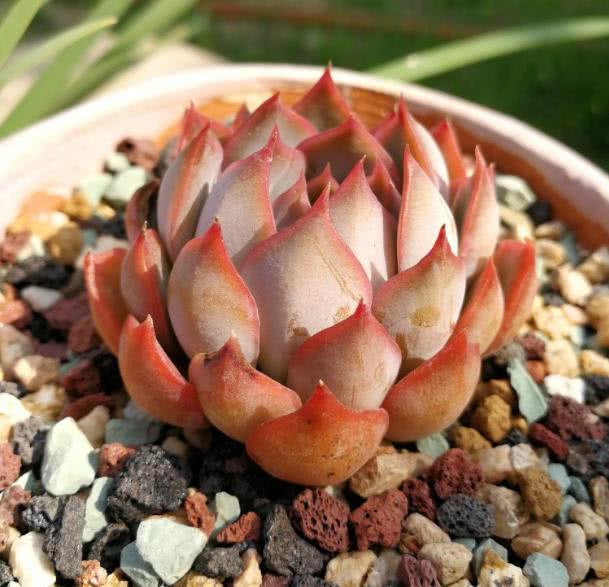
First of all, the most important thing for succulent acclimation is to buy succulents at the right time of year. What is the right time of year? Spring, as everyone knows, has suitable temperatures and is still some time away from summer, making it the best time for acclimation. At suitable temperatures, even if you buy them and plant them directly in soil without any treatment, the succulents will survive to show you. Then there is autumn. Especially for flower lovers in the south, as long as the winter temperature does not drop below 5°C, there is basically no pressure to grow them outdoors. Roots grow in autumn, and they are grown outdoors in winter, which is a beautiful thing.
When succulents are in the acclimation period, note that they must not be grown outdoors directly. Otherwise, the light may not be strong enough, and bacteria are more likely to appear. Also, succulents that have always been grown outdoors will not fail to adapt even after the temperature gradually rises. During the acclimation period, succulents should still be slightly shaded. It is only outdoor growing; I am not telling you to blast them with sun. Moreover, once the temperature reaches 30°C, no matter how robust the succulent is, and no matter how much it likes light, it will not be able to survive.
There are also methods for succulent acclimation. After receiving the succulents, plant them dry in moist soil. Three days after planting, if the weather is clear, you can water; if the weather is cloudy or rainy, do not water. Actually, my personal suggestion is to wait one week before watering to avoid root rot. So what is moist soil? The soil is slightly moist, forms a ball when squeezed in the hand, and falls apart as soon as it is touched after opening the hand. Planting dry means do not water after planting.
As for temperature, 15°C to 25°C is very good. Below 10°C, rooting will be a bit slower. Above 30°C, if succulents have roots and wounds plus a stuffy, humid environment, they are prone to black rot. If you buy succulents in late autumn or winter, how can you effectively keep them warm? For example, making a windproof cover, box, or the like can speed up rooting in succulents.
In ordinary succulent care, the soil must not be too wet, the light must not be too strong, and the temperature must also be controlled. Otherwise, succulents very easily turn to mush, then drop leaves. After that, do not use non-breathable garden soil or sandy soil. Ventilation is also needed, and the amount of watering must be controlled. Those just bought with soil, and garden soil at that, have a problem: the soil easily stays wet for a long time, and problems easily occur under high temperatures.
How much water is appropriate? When the plant roots have not yet recovered well, more watering does not mean the succulent can absorb more water. Instead, it provides a favorable environment for pathogens to breed. Most succulents that die during acclimation often die from rot, not from drying out. Usually, one week after planting, just water a small amount along the edge of the pot. If you feel the potting soil is too dry, water a little earlier. After 1 to 2 weeks, you can try gently touching the succulent. If you feel that roots have grown, you can water with confidence.
This is a gathering place for succulent lovers, sharing succulent care tips. You are welcome to follow and exchange ideas.