These vegetables are the doctor's favorite; they strengthen the stomach and promote the flow of qi, treat asthma, and can also calm the nerves and prolong life
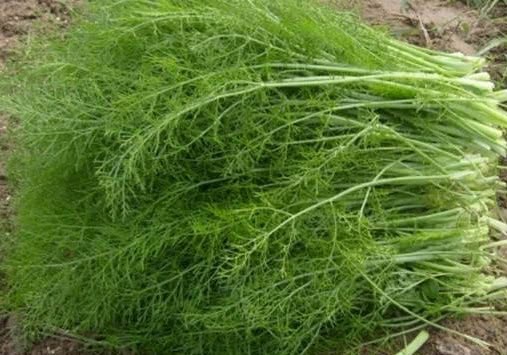
Fennel sprouts can be eaten; using them to make large steamed buns together with pork produces buns that expand the variety of buns available and have a distinctive flavor when eaten. After the tender leaves of small fennel are cleaned, cut them finely and mix them with salt, monosodium glutamate, sesame oil, and the like to serve as a cold dish; the flavor is delicate and fragrant. Fennel fruit is mostly used as a spice; adding it to fish, meat, or sauce can remove fishiness, increase aroma, and stimulate appetite. Small fennel can also be used in medicinal cuisine: stir-fried pork kidneys with fennel can tonify the kidneys and relieve pain, braised beef with fennel can warm the liver and stomach, promote the flow of qi, and stop bleeding, and fennel porridge can dispel cold and relieve pain.
Both large fennel and small fennel are among the commonly used seasonings. They are pungent in flavor and warm in nature, and have the effects of warming the liver and kidneys, warming the stomach, and dispelling cold and relieving pain. Fennel is rich in vitamin B1, vitamin B2, vitamin C, carotene, and cellulose, and its calcium and iron content is also relatively high. It can stimulate the nerves and blood vessels of the stomach and intestines, promote the secretion of digestive juices, increase gastrointestinal peristalsis, and expel accumulated gas. It has the effects of strengthening the stomach and promoting the flow of qi, and is suitable for people with deficiency-cold of the spleen and stomach.
Chinese yam, also known as shuyu, tushu, shanshuyu, Huai yam, Huaishan, and white yam, is a medicinal herb recorded in "Chinese Materia Medica," and its medicinal source is the dried rhizome of the Dioscorea plant Chinese yam. Chinese yam has the effects of nourishing and strengthening the body, aiding digestion, restraining abnormal sweating, and stopping diarrhea. It mainly treats diarrhea due to spleen deficiency, cough due to lung deficiency, diabetes with thirst, frequent and scanty urination, spermatorrhea, leukorrhea in women, and chronic enteritis with indigestion. Chinese yam is most suitably taken together with reishi mushroom, and has the effect of preventing and treating diabetes. Famous formulas for lowering blood pressure, such as Liuwei Dihuang Wan, Bawei Dihuang Wan, and Guishao Dihuang Wan, are all well-known prescriptions made with Chinese yam. They are not only used to treat kidney deficiency conditions, but also to treat high blood pressure, diabetes, asthma, delay aging, neurasthenia, and low back pain and other conditions. Chinese yam has great development prospects in the food industry and processing industry.
Lotus root originated in India and was introduced into China very early. Lotus root belongs to the subclass Magnoliidae, order Proteales. It likes warmth, is not tolerant of shade, and should not lack water or be exposed to strong wind. Lotus root is slightly sweet and crisp, can be eaten raw or cooked as a dish, and has quite high medicinal value. Its roots, leaves, flower stamens, and fruits are all treasures and can all be used as tonics and medicine. Lotus root made into powder can aid digestion and stop diarrhea, stimulate appetite and clear heat, nourish and strengthen the constitution, and prevent internal bleeding. It is an excellent liquid food and nourishing delicacy for women, children, the elderly, and those who are weak and often ill. In traditional Chinese medicine, lotus root is considered neutral in nature and is a food ingredient very suitable for tonic supplementation. If women usually experience restlessness and confusion, they can stew fresh lotus root in soup and take it, or eat a plate of cold-dressed lotus root, and both can produce a very good calming effect. Which vegetable do you like to eat?