Fertilize your balcony vegetables like this, and tomatoes, greens, and eggplants will grow big and fast
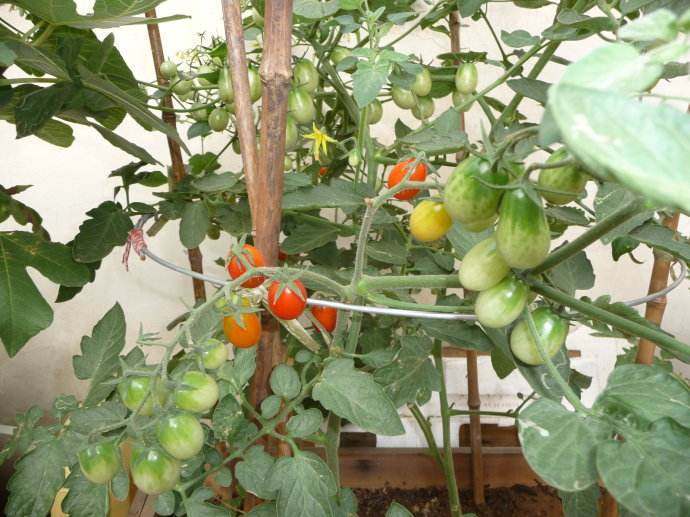
The most important thing for growing vegetables on a balcony is fertilizing. If the base fertilizer in the soil was not applied generously enough, then you need to do side-dressing during the growing period and when the plants flower and set fruit. If growth is too slow or development is poor, you need to fertilize as well. Many vegetable-growing enthusiasts like to grow vegetables on balconies. Although the balcony is not big, once you know the fertilizing techniques, you can still get a bumper harvest growing vegetables on a balcony!
There are several ways to fertilize vegetables:
1. Dilute the fertilizer with water, or put organic fertilizers such as chicken manure fertilizer, soybean cake, and sesame residue into water to dilute and ferment, turning them into organic fertilizer liquid. Note: do not pour fertilizer water that is too concentrated onto the vegetable leaves, and do not place it too close to the roots, to avoid burning the roots. This fertilizing method takes effect very quickly, and the vegetables grow rapidly.
2. Dig a small hole or a small trench beside the vegetables in the flower pot, then put the organic fertilizer in, cover it with soil, and water thoroughly. The fertilizer should still be a bit far from the vegetables and roots. Leafy vegetables need frequent fertilizing. Manure fertilizers and soybean fertilizer are high in nitrogen, so Chinese cabbage and leafy greens grow fast and big.
3. For solanaceous and cucurbit vegetables such as eggplants, pumpkins, and cucumbers, you can apply some nitrogen fertilizer when they are seedlings. After the seedlings grow larger, do not use nitrogen fertilizer, because then the branches and leaves grow vigorously but the plants cannot flower and set fruit. So you need to apply phosphorus and potassium fertilizer in time; wood ash works too. This way they flower and set fruit especially abundantly.
4. For root vegetables such as carrots and potatoes, do not use too much nitrogen fertilizer either, otherwise they only grow leaves and not roots. So you need to use phosphorus and potassium fertilizer in time.
5. If the vegetables were sown and need to be transplanted, wait until after transplanting and new leaves have grown before fertilizing. Fertilize less during the seedling stage and more when fruiting.
6. If the vegetables on the balcony were sown and do not need to be transplanted, there is no need to fertilize after germination. Wait until the seedlings have grown more than three leaves before fertilizing. Leafy vegetables grow fast, and you can water them with organic fertilizer liquid once every two days.